









Take Your First Step
Tell us what you need help with and our team will contact you about the next step.

What Is a Home Energy Assessment — and Why Does It Matter for Your Home?
Published on 08 April 2026 : Updated 08 April • 5 minute read
How Does Your Home Really Perform?
Why Does Starting Without a Plan Often Lead to Regret?
What Is the Assessment Visit Really Like?




What Do You Receive Afterwards?
After the assessment, you receive a clear report that explains how your home is performing and where improvements would make the biggest difference. It also sets out a recommended order for upgrades, helping you avoid tackling the right things in the wrong sequence.
For many homeowners, this report becomes a valuable reference point. Even if no immediate changes are planned, it provides reassurance and direction. For those exploring supports such as SEAI grants, it also helps clarify which upgrades may be suitable for the home before any decisions are made.
A Planning Step — Not a Commitment.
One of the biggest concerns homeowners have about retrofitting is feeling rushed into a decision. Questions around cost, disruption, and whether it will really be worth it are completely understandable.
A Home Energy Assessment is designed to remove that pressure. It provides information without obligation and supports homeowners who are still deciding whether retrofitting is right for them at all. This question is explored further in our guide on whether retrofitting is really worth it.
The focus is clarity, not commitment.
What Happens Next? You Decide.
Once you’ve had time to review your report, the next step is entirely your choice. Some homeowners move forward with a complete upgrade, while others prefer to improve their home gradually or take time to plan.
If you’re still at an early stage, you may want to explore practical guidance on how to prepare your home for a full retrofit, which explains what to expect if and when you decide to move forward.
There is no obligation to proceed, and no pressure to decide quickly. You stay in control throughout.
Ready When You Are.
If you want to understand how your home is performing and what improvements may genuinely suit it, a Home Energy Assessment is the most practical place to start.
It gives you clarity before commitment, confidence before change, and the freedom to decide what happens next.
Book your Home Energy Assessment when you’re ready.

Enjoy Year-Round Comfort with a Heat Pump
Is my home is Heatpump ready?Tags
- Home Energy Assessment
- Pre-BER Assessment
- Home Energy Assessment Calculator
- Energy Efficient Home
Author

Published on 08 April 2026: Updated 08 April • 5 minute read
Share with

Our Featured Blogs
.JPG&w=1920&q=100)
External Wall Insulation for SEAI One Stop Shop Homes
External Wall Insulation is supported through the SEAI One Stop Shop when it forms part of a planned whole-home upgrade. This blog explains how External Wall Insulation fits into the One Stop Shop process, why a Home Energy Assessment is required, and how Churchfield Home Services manages everything from assessment to installation.
23 Apr : Updated 14 Sep • 4 min read
.jpg&w=1920&q=100)
Can You Combine SEAI Grants for Your Home?
Yes, SEAI grants can be combined in certain circumstances — but how you combine them depends on whether you choose the One Stop Shop route or apply for individual measures. Understanding the difference helps you maximise support while avoiding confusion or rejected applications.
23 Apr : Updated 14 Sep • 5 min read
.png&w=1920&q=100)
Home Energy Assessment Recommendations: The Most Impactful Improvements to Make
Improving your home’s energy performance can feel like a big step. You may know changes are needed, but not which improvements will actually deliver comfort, efficiency, and long-term value. A Home Energy Assessment provides clear, independent guidance by showing how your home performs today and which upgrades can have the greatest impact, before you commit to any work.
08 Apr : Updated 08 Apr • 4 min read

Top 5 Energy-Saving Upgrades After a Home Energy Assessment
A Home Energy Assessment gives you a clear understanding of how your home performs today and where energy is being lost. Rather than guessing which upgrades might help, the assessment highlights what will make the biggest difference for your home and in what order. At Churchfield Home Services, homeowners often ask what comes next after an assessment. While every home is different, these are the five energy-saving upgrades most commonly identified once a full picture of the home is understood.
08 Apr : Updated 08 Apr • 4 min read
.png&w=1920&q=100)
BER Ratings and Home Value: Why Energy Efficiency Matters in Ireland
Energy efficiency now plays a growing role in how homes are viewed and valued in Ireland. Beyond reducing energy bills, a home’s BER rating can influence buyer confidence and long-term planning. This guide explains how BER ratings relate to home value and why a Home Energy Assessment with Churchfield Home Services is the first step to understanding how your home performs.
08 Apr : Updated 08 Apr • 3 min read

Preparing for a Home Energy Assessment: A Homeowner’s Checklist
Booking a Home Energy Assessment is a positive first step, and it doesn’t require major preparation. This guide explains what to expect, how to prepare lightly, and what helps the assessment run smoothly, so you can feel confident and informed before your assessment with Churchfield Home Services.
08 Apr : Updated 08 Apr • 4 min read

5 Myths About Home Energy Assessments, clarified
Home Energy Assessments are often misunderstood. From cost concerns to fears about pressure to upgrade, many homeowners delay booking based on common myths. In this guide, we clarify five of the most common misconceptions about Home Energy Assessments, explaining what’s true, what’s not, and what you can realistically expect.
08 Apr : Updated 08 Apr • 4 min read
.png&w=1920&q=100)
DIY Home Energy Audit vs. Professional Assessment: Why Expertise Matters
Many homeowners try to identify energy issues themselves before upgrading, but a DIY approach can only go so far. This guide compares DIY home energy audits with a professional Home Energy Assessment and explains why expert analysis leads to clearer decisions, better planning and more reliable long-term results.
08 Apr : Updated 08 Apr • 4 min read

Common SEAI Grant Mistakes a Home Energy Assessment Helps You Avoid
SEAI grants can significantly reduce the cost of upgrading your home — but many applications fail or underdeliver due to avoidable mistakes. This blog explains the most common SEAI grant errors homeowners make, and how a Home Energy Assessment helps you avoid confusion, delays, and costly missteps from the start.
08 Apr : Updated 08 Apr • 5 min read
.png&w=1920&q=100)
Renovating Your Home? When to Book a Home Energy Assessment
If you’re planning renovations, a Home Energy Assessment can help you avoid missed opportunities and costly rework. This blog explains when to book an assessment during a renovation project, how it supports better decisions, and why timing it correctly can improve comfort, efficiency and long-term value.
08 Apr : Updated 08 Apr • 3 min read
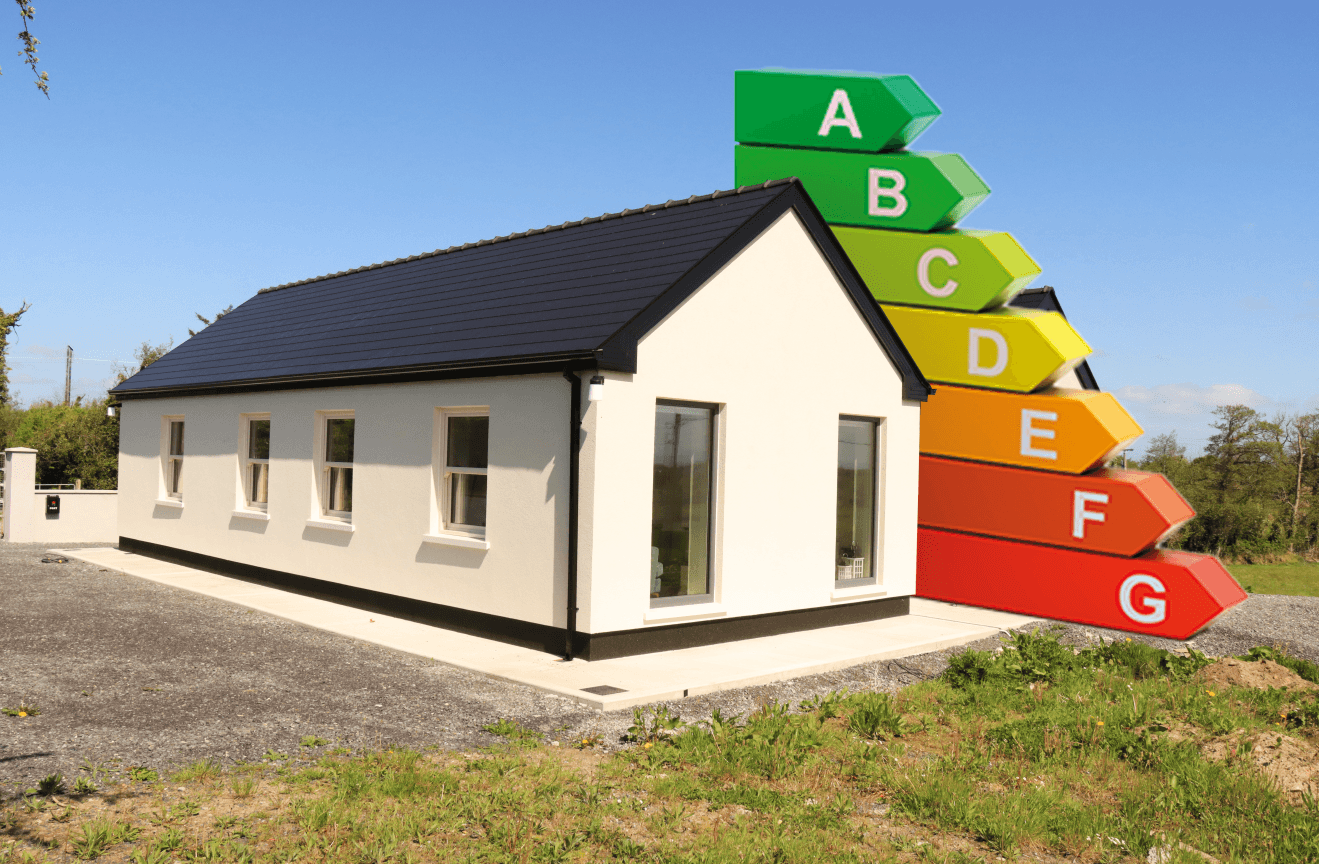
Why is it important to include a BER Assessment in your Home Energy Assessment?
A BER assessment is more than a rating. When included as part of a Home Energy Assessment, it provides essential context, accuracy, and credibility that helps homeowners understand their home properly and plan upgrades with confidence.
08 Apr : Updated 08 Apr • 5 min read

Why Every Irish Homeowner Should Consider a Home Energy Assessment
If you’re an Irish homeowner thinking about improving comfort, lowering energy bills, or upgrading your home, knowing where to start can feel overwhelming. With so much information online about insulation, heating systems, solar panels and grants, it’s hard to know what actually suits your home. That’s where a Home Energy Assessment comes in.
08 Apr : Updated 08 Apr • 6 min read

Is External Wall Insulation Worth It in Ireland?
External Wall Insulation, often called a home “wrap” in Ireland, can be a major upgrade for the right property. This blog explains when it’s worth considering, what benefits it can offer, and how Churchfield Home Services helps you decide through a Home Energy Assessment before any work begins.
08 Apr : Updated 25 Aug • 5 min read
.png&w=1920&q=100)
How Much Does a Heat Pump Cost in Ireland After Grants?
The cost of a heat pump in Ireland after grants depends on your home type, existing insulation, and the upgrades needed to support the system. This blog explains typical heat pump costs, how SEAI grants of up to €12,500 reduce the price, and how Churchfield Home Services confirms accurate figures through a Home Energy Assessment before any installation.
08 Apr : Updated 08 Apr • 5 min read
.png&w=1920&q=100)
Why do I need a Home Energy Assessment?
A Home Energy Assessment helps you understand how your home performs before making upgrades. It replaces guesswork with clear insight so you can make informed decisions with confidence.
08 Apr : Updated 08 Apr • 4 min read

SEAI One Stop Shop vs. Individual Grants: Which Is Right for Your Home Upgrade?
When planning a home energy upgrade, many homeowners are unsure whether to use the SEAI One Stop Shop or apply for individual grants. This guide explains the key differences, how each option works, and which route may suit your home best — so you can make an informed decision with clarity and confidence.
08 Apr : Updated 08 Apr • 5 min read
.png&w=1920&q=100)
5 Common Mistakes to Avoid in Your Home Energy Upgrade Journey
Upgrading your home’s energy efficiency can make a real difference to comfort and running costs — but small mistakes early on can lead to wasted money or missed opportunities. This guide highlights five common mistakes Irish homeowners make during energy upgrades, and explains how to avoid them with clear planning and the right first step.
08 Apr : Updated 08 Apr • 6 min read
.png&w=1920&q=100)
Energy Efficiency in Older Irish Homes: How a Home Energy Assessment Can Help
Older Irish homes often feel cold, expensive to heat, and difficult to upgrade without clear guidance. This blog explains how a Home Energy Assessment helps identify where energy is being lost, which improvements matter most, and how to plan upgrades correctly — giving homeowners clarity before making any decisions.
08 Apr : Updated 08 Apr • 4 min read
.png&w=1920&q=100)
Why Two Homes Can Get Very Different Results from the Same Assessment
Two homes can look almost identical yet receive very different Home Energy Assessment results. This blog explains why construction details, insulation levels, heating systems and how a home is lived in all affect outcomes — and why your assessment is designed to reflect your home, not your neighbour’s.
08 Apr : Updated 08 Apr • 5 min read

Is a Home Energy Assessment Worth It in 2026?
With rising energy costs, updated SEAI grants and growing interest in home upgrades, many homeowners are asking whether a Home Energy Assessment is still worth it in 2026. This blog explains what value an assessment provides today, who it suits best, and how it helps you make better decisions before upgrading.
08 Apr : Updated 08 Apr • 5 min read
Can You Use a Home Energy Assessment for Future Grant Applications?
A Home Energy Assessment is often the first step toward SEAI-supported upgrades, but many people wonder if it can still be used later. This blog explains how a Home Energy Assessment supports future grant applications, what remains valid over time, and when a reassessment may be needed.
08 Apr : Updated 08 Apr • 4 min read

Before-and-After: How Home Energy Upgrades Transformed These Irish Homes
Home energy upgrades can dramatically improve comfort, efficiency and how a home feels day to day. This guide looks at real before-and-after changes seen in Irish homes and explains how starting with a Home Energy Assessment helps deliver upgrades that are planned properly and perform as expected.
08 Apr : Updated 08 Apr • 5 min read

Can You Get €8,000 for External Wall Insulation?
Yes, it is possible to receive up to €8,000 in grant support for External Wall Insulation in Ireland — but not as a standalone grant. This blog explains how the €8,000 figure works, who it applies to, and how Churchfield Home Services helps you access this support through the SEAI One Stop Shop, starting with a Home Energy Assessment.
08 Apr : Updated 25 Aug • 4 min read

How much does a Home Energy Assessment cost in your area?
Most people asking about the cost of a Home Energy Assessment want reassurance, not just a price. This guide explains what affects the cost, what does not and how to decide if a Home Energy Assessment is the right first step for your home.
08 Apr : Updated 08 Apr • 5 min read

How SEAI Grant Eligibility Works After Your Home Energy Assessment
Once your Home Energy Assessment is complete, it is natural to start thinking about what support may be available if you decide to improve your home’s energy efficiency. You may want clarity before making any decisions. You may want to understand how SEAI grants work, what you could be eligible for, and whether upgrading is the right step for your home. A Home Energy Assessment is designed to give you clarity first without pressure or obligation.
08 Apr : Updated 08 Apr • 4 min read

Top 5 Benefits of a Home Energy Assessment for Irish Homeowners
A Home Energy Assessment helps you understand how your home performs today and what improvements can make the biggest difference. This guide explains the key benefits, from improved comfort and lower energy bills to clear upgrade planning and grant guidance, so you can make informed decisions with confidence.
08 Apr : Updated 08 Apr • 4 min read
.png&w=1920&q=100)
Maximizing Your SEAI Grants
SEAI grants can make home energy upgrades far more affordable — but only when they’re used in the right way. With different grant routes and eligibility rules, many homeowners risk missing out or using grants on upgrades that don’t fully suit their home. This guide explains how to get the most value from your SEAI grants, without confusion or pressure.
08 Apr : Updated 08 Apr • 6 min read
.jpg&w=1920&q=100)
Why You Should Consider a Heat Pump?
If you’re thinking about upgrading how your home is heated, you’ve probably come across heat pumps more and more. You might be wondering whether they’re really worth it, how they work in Irish homes, or if they’d suit your house. This guide is here to help you understand why many homeowners across Ireland are considering heat pumps and what that could mean for you.
09 Feb : Updated 29 Sep • 4 min read
.png&w=1920&q=100)
External Wall Insulation Grants for Detached and Semi-Detached Homes
grant support works differently than many homeowners expect. This blog explains how External Wall Insulation grants apply to detached and semi-detached homes, why a Home Energy Assessment is required, and how Churchfield Home Services supports the full.
06 Feb : Updated 25 Aug • 5 min read
.png&w=1920&q=100)
Do You Need a Home Energy Assessment for External Wall Insulation?
Yes — a Home Energy Assessment is required before External Wall Insulation can be grant-supported in Ireland. This blog explains why the assessment is mandatory, how it protects your home, and how Churchfield Home Services uses it to confirm suitability, costs, and SEAI One Stop Shop grant eligibility before any work begins.
06 Feb : Updated 25 Aug • 4 min read

Cut Your Energy Bills: How a Home Energy Assessment Saves You Money
Rising energy costs mean many homes are expensive to heat without feeling comfortable. A Home Energy Assessment helps identify where energy is being lost and which changes can make a real difference. This guide explains how understanding your home’s performance with Churchfield Home Services is the first step to reducing energy bills with clarity and confidence.
06 Feb : Updated 06 Feb • 5 min read

Start saving on your energy bills today!
Sign up to our weekly newsletter
- Learn how to access grants and funding
- Tips and offers to reduce your energy bill


