






Take Your First Step
Tell us what you need help with and our team will contact you about the next step.

SEAI Grants 2026: The Complete Guide to Home Energy Funding in Ireland
Published on 28 July 2026 : Updated 01 October • 7 minute read
2026 has quietly become the best year on record to upgrade an Irish home. Behind that is the National Residential Retrofit Plan, backed by a record €558 million in government funding and a target of 70,000 home upgrades. For homeowners, the practical result is simple: bigger grants, more measures covered, and — for the first time — support for things like windows and doors that were previously locked behind a full retrofit.
If you have been putting off insulating the attic, swapping the oil boiler for a heat pump, or finally getting solar panels on the roof, the numbers now stack up in a way they never quite did before.
This guide walks through every Sustainable Energy Authority of Ireland (SEAI) grant on offer in 2026 — what you can claim, who qualifies, and how to apply. As a registered SEAI One Stop Shop, Churchfield Home Services has managed more than 6,000 home upgrades across Ireland, and we handle the grant paperwork so you don't have to. Wherever it helps, we've flagged where our team can take the process off your plate entirely.
Individual Energy Upgrade Grants: Do One Measure at a Time
The Individual Energy Upgrade Grants — many people still call them the Better Energy Homes grants — let you tackle a single improvement without signing up for a whole-house retrofit. Insulate the attic this year, replace the windows next year, add a heat pump the year after. Each measure is a separate grant, so you can spread the work (and the spend) at your own pace.
There's no means test and no upper age limit. Your home generally needs to have been built and occupied before 2011 (before 2021 for heat pumps and renewables). Landlords and approved housing bodies can apply too.
If you'd rather do several upgrades together, our page on individual energy upgrades explains how single-measure grants compare to the One Stop Shop route.
Insulation Grants
Heat escapes through the roof, the walls and the floor — so insulation is almost always the smartest first euro you spend. It makes every later upgrade, a heat pump especially, work harder for you. Because bigger homes have more surface to cover, grant values scale by property type. SEAI raised the attic and cavity wall rates on 3 February 2026.
| Property type | Grant |
|---|---|
| Detached | €2,000 |
| Semi-detached / end-terrace | €1,300 |
| Mid-terrace | €1,200 |
| Apartment | €800 |
| Property type | Grant |
|---|---|
| Detached | €1,800 |
| Semi-detached / end-terrace | €1,200 |
| Mid-terrace | €800 |
| Apartment | €700 |
| Property type | Grant |
|---|---|
| Detached | €8,000 |
| Semi-detached / end-terrace | €6,000 |
| Mid-terrace / apartment | €3,000 |
| Property type | Grant |
|---|---|
| Detached | €4,500 |
| Semi-detached / end-terrace | €3,500 |
| Mid-terrace | €2,000 |
| Apartment | €1,500 |
Floor insulation: up to €3,500 for houses.
For attic and cavity work, SEAI reckons the grant now clears roughly 80% of the typical bill. External wall insulation is a larger investment — the grant covers somewhere between a fifth and a third of the median cost — but nothing else transforms a cold, draughty house quite as dramatically.
Your home must have been built and occupied before 2011, all work has to be done by an SEAI-registered contractor, and — this catches people out — approval must be in hand before the first tool comes out. External wall insulation is one of our specialisms; you can read how we approach it on our external wall insulation page.
A second wall measure New for 2026
Since 2 March 2026, if you've already claimed a grant for cavity or internal wall insulation, you're no longer shut out of further wall funding. You can now apply for a second wall measure. In practice, that means starting with the cheapest option (cavity fill) and later wrapping the outside in external insulation for a genuinely warm, heat-pump-ready home.
A bigger attic grant for first-time buyers New for 2026
First-time buyers of existing homes can now claim a fixed attic insulation grant of up to €2,500. SEAI introduced this because buyers who've just stretched to get on the ladder rarely have much left over — and in a lot of cases, this covers most or all of the attic job.
Enhanced grants on qualifying welfare payments New for 2026
Homeowners receiving the same welfare payments that qualify for the Warmer Homes Scheme can now access higher fixed grants:
- Attic insulation: up to €2,500
- Cavity wall insulation: up to €2,300
- Enhanced BER grant: €280
These often cover the full cost of the work — and crucially, taking them does not push you back down the Warmer Homes waiting list for other measures. If you're waiting on that scheme (currently 24 months plus) but can't wait to warm the house up, this is the fast lane for attic and walls.
Heat Pump Grant: Now Up to €12,500
The headline change of 2026. On 3 February, the heat pump grant almost doubled, jumping from €6,500 to a maximum of €12,500 for houses. It isn't one payment — it's three grants bundled into a single application:
- Up to €6,500 towards the heat pump itself (air-to-water or ground-to-water systems)
- Up to €2,000 for the central heating side — radiators, pipework or underfloor heating where the system needs it
- €4,000 Renewable Heat Bonus if you're moving away from oil, gas, solid fuel or electric storage heating
Apartments can claim up to €9,500. Air-to-air systems, which don't produce hot water, top out at €7,500 (a €3,500 heat pump grant plus the €4,000 bonus).
Your home must date from before 2021 and hit a Heat Loss Indicator of 2.0 or lower — which is another way of saying it needs to be properly insulated first. Homes built before 2007 need a Technical Assessment before you apply. Helpfully, the new €12,500 ceiling also applies to open applications where you haven't yet submitted a Request for Payment.
A heat pump only earns its keep in a well-sealed, well-insulated home, which is exactly why we recommend starting with an assessment rather than a purchase. See our heat pump installation page for how we size and specify systems.
Solar PV Grant: Up to €1,800
Solar photovoltaic panels turn daylight into electricity, cutting what you pull from the grid and trimming the bill. The grant held at €1,800 for 2026 (an earlier plan to reduce it was reversed), and it's paid on a sliding scale: €900 per kWp for the first 2kWp, then €200 per kWp up to a 4kWp cap. A typical 4kWp array covers around 40% of an average household's yearly electricity use.
There's more on top of the grant. Domestic solar installation carries a 0% VAT rate, you can be paid for surplus electricity you export back to the grid under the microgeneration scheme, and there's a €400-a-year income tax disregard on that microgeneration income, now extended to the end of 2028.
Solar is one of our fastest-growing installs across Mayo, Galway and the greater Dublin area. Our solar PV page covers system design and grant support.
Windows and Doors Grant New for 2026
For years, window funding only came via the deep-retrofit route. From 2 March 2026, SEAI offers standalone grants for energy-efficient windows and doors for the first time.
| Property type | Grant |
|---|---|
| Detached | €4,000 |
| Semi-detached / end-terrace | €3,000 |
| Mid-terrace | €1,800 |
| Apartment | €1,500 |
Doors: €800 per external door, up to two doors (€1,600 total).
There's a catch worth knowing: your home has to meet a fabric standard first — either a Heat Loss Indicator of 2.3 or better, or attic and walls rated "Good" or "Very Good" on your BER Advisory Report. If it doesn't yet, do the insulation first (claiming those grants), then come back for the windows. New windows must hit a U-value of 1.4 W/m²K or better.
The Other Individual Grants
- Heating controls upgrade — €700. Smarter thermostats, timers and radiator valves lift efficiency even if you keep your existing boiler.
- Solar thermal — €1,200. Panels that heat your water directly, covering 50–60% of typical annual hot water demand.
One Stop Shop: Up to 50% of Your Project Cost
If you're planning several upgrades at once, the One Stop Shop route is built for exactly that — and it's the heart of what we do. Instead of juggling separate applications, contractors and BER assessments, one registered provider manages the lot.
Here's how it runs with Churchfield:
- We carry out a Home Energy Assessment and recommend the right upgrades for your home.
- You get a single quote with the SEAI grant already taken off the price.
- Our registered crews complete the work.
- A post-works BER confirms your home has reached B2 or better.
- We claim the grant directly from SEAI — so you only ever pay the net balance.
That last point matters. As we explain in our guide to how grants are deducted upfront, you never front the full cost and wait months for reimbursement. The deep-retrofit route can fund up to 50% of the total project cost for homes reaching B2 or better, and on larger jobs (€40,000–€60,000) that percentage often beats stacking individual grants.
2026 made this easier
From March, two barriers came down where a heat pump is part of the plan: the old minimum energy-uplift requirement (100 kWh/m²/yr) and the need for a pre-works BER of B3 or worse. Translation — even reasonably efficient homes can now use the One Stop Shop to fit a heat pump and supporting upgrades.
Bridging the Gap: The Home Energy Upgrade Loan Scheme
Grants rarely cover everything, and the Home Energy Upgrade Loan is designed to fund the rest cheaply. It offers government-backed loans from €5,000 to €75,000 with rates starting at 2.99%, available through AIB, Bank of Ireland, PTSB, Avant Money (via An Post) and participating credit unions.
To qualify, the work must be backed by an SEAI grant and projected to lift your home's energy performance by at least 20%. Developed with the European Investment Bank, it's the first scheme of its kind in Ireland.

The Warmer Homes Scheme: Fully Funded Upgrades
For homeowners on certain welfare payments, the Warmer Homes Scheme covers the cost of the upgrades entirely — you pay nothing. To qualify you must own and live in the home as your main residence, it must have been built and occupied before 2006, hold a BER of C or lower, and you must receive one of the qualifying payments (Fuel Allowance, Working Family Payment, Disability Allowance, Carer's Allowance and several others).
The scheme can cover attic and cavity insulation, external wall insulation, draught-proofing, lagging jackets, efficient lighting and — where the surveyor recommends it — heating upgrades and windows. Since January 2025 it no longer fits fossil-fuel boilers; new heating is a heat pump or another renewable option.
The one real drawback is the wait: SEAI currently estimates 24 to 26 months from application to completion. If you're on that list but can't face another cold winter, the enhanced individual grants for welfare recipients (above) let you get the attic and walls done now — without losing your place in the queue.
Grants for Landlords
Landlords can apply for the same individual upgrade grants as owner-occupiers, and there's a tax sweetener on top. From 2026, up to €10,000 (net of any SEAI grant) can be deducted from rental income for retrofit works, now across as many as three properties, for work carried out between 2026 and 2028.
The two combine well. A landlord spending €20,000, receiving €8,000 in SEAI grants and then deducting €10,000 from rental income is left with an effective outlay of around €2,000. Landlords aren't eligible for the Warmer Homes Scheme.
Also Worth Knowing: EV Grants
Not part of the home energy programme, but SEAI runs these too: up to €3,500 towards a new battery electric vehicle, up to €3,500 for a qualifying used EV, and up to €300 towards a home charging point. EV owners also benefit from lower motor tax, reduced tolls and lower VRT.
How to Apply
The individual grant route (DIY)
- Pick your upgrade.
- Get quotes — at least three, all from SEAI-registered contractors.
- Apply online before any work starts. You'll need your MPRN from your electricity bill; approval usually lands within minutes.
- Accept the offer within 30 days, then you have 8 months to finish the work.
- Have the work done by your registered contractor.
- Get a post-works BER to confirm the improvement.
- Submit your claim — Declaration of Works, BER cert and proof of payment.
- Get paid — SEAI transfers the grant to your account, usually within 4–6 weeks.
The One Stop Shop route (we handle it)
Get in touch, we assess your home, we quote with the grant already deducted, we manage the applications and the works, a post-works BER confirms B2 or better, and you pay only the balance. That's the whole list. Everything in between is ours to carry.
SEAI Grants 2026: Your Questions Answered
Can I claim more than one grant?
Yes. Different measures — attic, walls, heat pump, solar — can each have their own grant. The one rule: you can't claim both an individual grant and a One Stop Shop grant for the same measure.
How much could I get in total?
Combine a heat pump, insulation, solar PV and the new windows and doors grant and individual funding can pass €21,500 for a single home. The One Stop Shop deep-retrofit route can reach up to 50% of the total project cost — more again on bigger jobs.
Do I need a BER first?
For heat pump grants and the One Stop Shop, yes — before and after. For simpler measures like attic insulation, a pre-works BER isn't always needed but a post-works one is. The windows and doors grant needs your Advisory Report to confirm your home meets the fabric standard.
Can I do the work myself?
No — grant-eligible work has to be done by an SEAI-registered contractor. DIY doesn't qualify.
How quickly is the grant paid?
Once your completed paperwork is in, SEAI typically pays within 4–6 weeks.
Are landlords eligible?
Yes, for individual grants, plus up to €10,000 in tax relief (net of grants) across up to three properties from 2026–2028. Not for the Warmer Homes Scheme.
My home was built after 2011 — am I out?
For insulation and heating controls, the cut-off is pre-2011. For heat pumps and renewables (solar PV, solar thermal), it's pre-2021.
I already used a wall insulation grant — can I get another?
Since 2 March 2026, yes. A previous cavity or internal wall grant no longer blocks you from a second wall measure.
Are the grants taxable?
No — SEAI home energy grants aren't subject to income tax.
Can I borrow for the rest?
Yes — the Home Energy Upgrade Loan runs from €5,000 to €75,000 at rates from 2.99%, provided the work is grant-backed and improves performance by at least 20%.
Getting the Most Out of Your 2026 Grants
- Insulate before anything else. A heat pump in a leaky house disappoints. Fix the fabric first and everything after works better.
- Get three quotes. Prices swing more than people expect.
- Check the register. Only SEAI-registered contractors can do grant-eligible work — verify before you commit.
- Never start early. Beginning work before approval is the single most common reason claims fail.
- Weigh up the One Stop Shop. For multiple upgrades it's usually cheaper and far less hassle than running the grants yourself.
- Stack strategically. Heat pump (€12,500) + insulation + solar (€1,800) + windows (up to €4,000) can top €21,500.
- Keep every receipt. You'll need invoices and proof of payment to claim.
Ready to See What Your Home Qualifies For?
Working out which grants apply, in what order, and whether the individual or One Stop Shop route serves you better is exactly the kind of thing our team does every day. As a registered SEAI One Stop Shop, Churchfield Home Services assesses your home, designs the right upgrade plan, applies for the grants and manages the build — so you pay only the balance after grants.
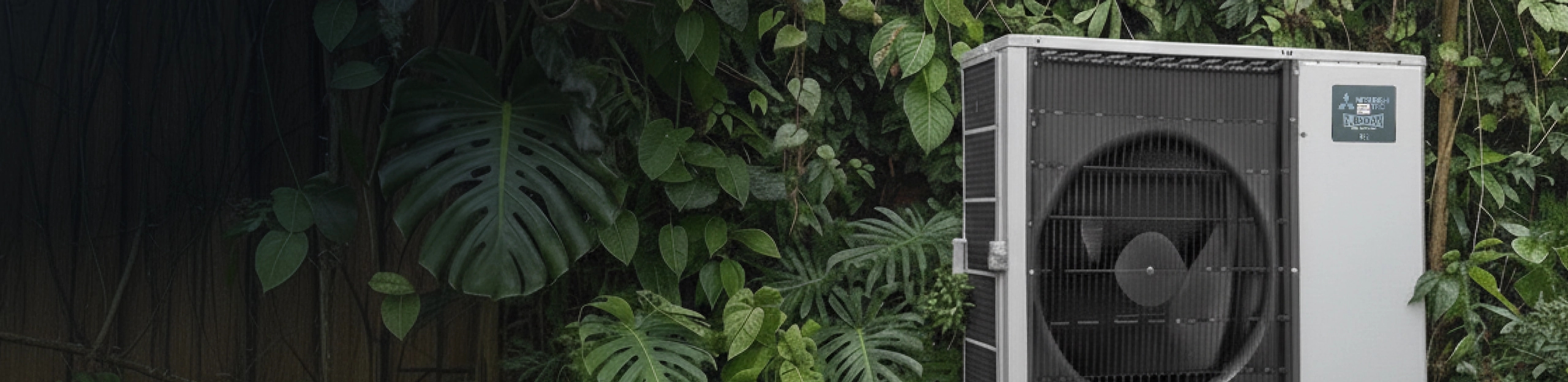
Enjoy Year-Round Comfort with a Heat Pump
Is my home is Heatpump ready?Tags
- One Stop Shop
- Windows & Doors
- Heat Pumps
- Solar PV
- Home Energy Assessment
- Insulation Services
- Cavity Wall Insulation
- IEU Grants
- Fully Funded Energy Upgrades
- SEAI Grants
- Home Energy Upgrade Grants
Author

Published on 28 July 2026: Updated 01 October • 7 minute read
Share with

Our Latest Blogs

How much does a Home Energy Assessment cost in your area?
Most people asking about the cost of a Home Energy Assessment want reassurance, not just a price. This guide explains what affects the cost, what does not and how to decide if a Home Energy Assessment is the right first step for your home.
08 Apr : Updated
How SEAI Grant Eligibility Works After Your Home Energy Assessment
Once your Home Energy Assessment is complete, it is natural to start thinking about what support may be available if you decide to improve your home’s energy efficiency. You may want clarity before making any decisions. You may want to understand how SEAI grants work, what you could be eligible for, and whether upgrading is the right step for your home. A Home Energy Assessment is designed to give you clarity first without pressure or obligation.
08 Apr : Updated

Is External Wall Insulation right for your home?
External Wall Insulation can improve comfort, reduce heat loss and protect your home’s structure. This guide explains what External Wall Insulation does, when it makes sense and how to decide if it is right for your home.
23 Apr : Updated
.png&w=1920&q=100)
Maximizing Your SEAI Grants
SEAI grants can make home energy upgrades far more affordable — but only when they’re used in the right way. With different grant routes and eligibility rules, many homeowners risk missing out or using grants on upgrades that don’t fully suit their home. This guide explains how to get the most value from your SEAI grants, without confusion or pressure.
08 Apr : Updated
With vs. Without a Home Energy Assessment: The Difference in Energy Savings
This guide compares energy upgrades carried out with and without a Home Energy Assessment. It explains how understanding your home’s performance first can lead to smarter decisions, better comfort and more reliable energy savings, while helping you avoid unnecessary or ineffective upgrades.
08 Apr : Updated
.png&w=1920&q=100)
5 Common Mistakes to Avoid in Your Home Energy Upgrade Journey
Upgrading your home’s energy efficiency can make a real difference to comfort and running costs — but small mistakes early on can lead to wasted money or missed opportunities. This guide highlights five common mistakes Irish homeowners make during energy upgrades, and explains how to avoid them with clear planning and the right first step.
08 Apr : Updated

Start saving on your energy bills today!
Sign up to our weekly newsletter
- Learn how to access grants and funding
- Tips and offers to reduce your energy bill


