


Take Your First Step
Tell us what you need help with and our team will contact you about the next step.
Common Myths About Solar in Ireland
Published on 08 April 2026 : Updated • 6 minute read
Myth 1: “Ireland Doesn’t Get Enough Sun”
This is the most common concern.
Solar PV works on daylight — not heat. Panels generate electricity from light, even on bright overcast days. Countries with similar climates to Ireland have adopted solar at scale because consistent daylight hours are enough to generate meaningful output across the year.
Production is lower in winter and higher in summer — but systems in Ireland still reduce daytime electricity costs year-round when properly designed.
At Churchfield Home Services, system sizing is based on your actual usage patterns, not assumptions about “perfect sunshine”.
Myth 2: “Solar Panels Only Work in Summer”
Solar generation is seasonal, but panels continue producing power throughout the year.
Even in winter:
- There are still daylight hours
- Panels perform efficiently in cooler temperatures
- Homes offset daytime electricity use
You won’t produce the same amount in December as in June — but the system continues contributing to your bills.
Churchfield designs systems based on annual performance, not just peak summer output.
Myth 3: “They’re Too Expensive”
Solar PV costs have reduced significantly over the last decade.
SEAI grants are available for Solar PV systems in Ireland, lowering the
upfront investment. The final cost depends on system size, electrical
setup and whether battery storage is included.
As a Registered SEAI One Stop Shop, Churchfield Home Services:
- Designs your system
- Applies for the grant on your behalf
- Handles compliance
- Deducts the grant upfront
- Completes professional installation
You pay the net cost — without managing paperwork yourself.
Myth 4: “Solar Panels Damage Your Roof”
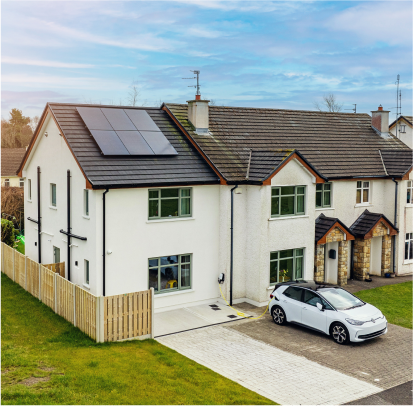
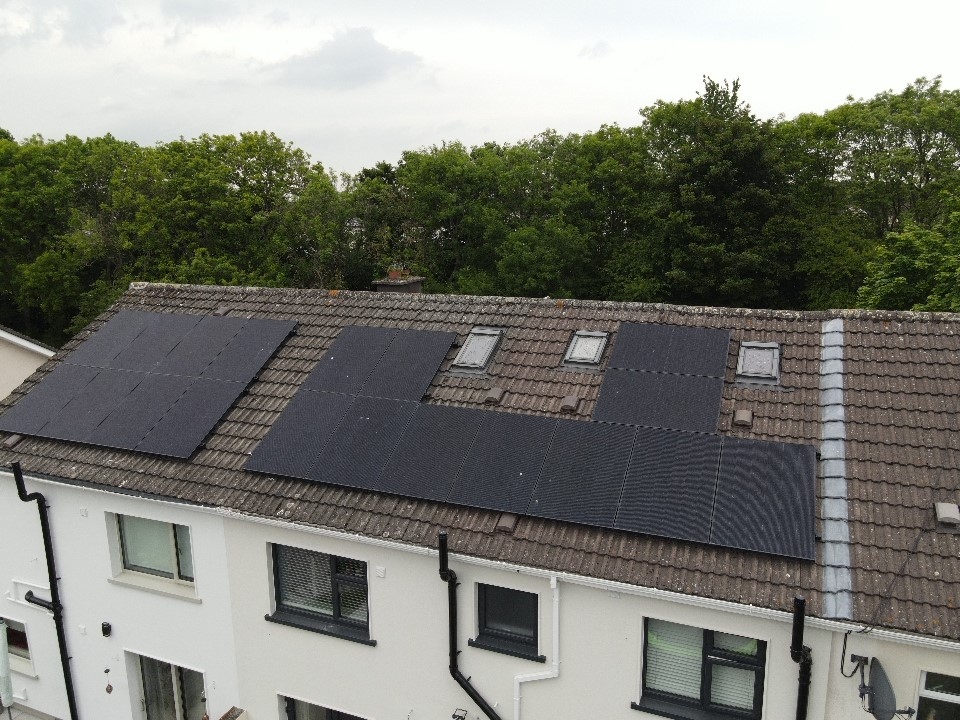
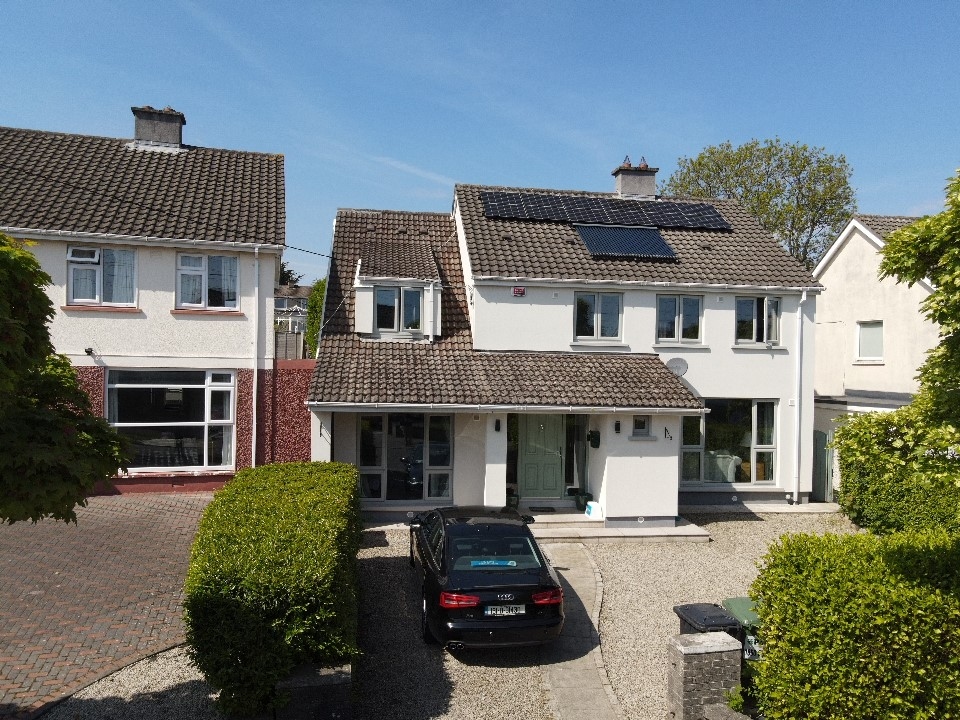
When installed correctly by qualified professionals, Solar PV systems do not damage your roof.
Proper mounting systems are used for Irish weather conditions. A suitability check reviews:
- Roof condition
- Structure
- Orientation
- Shading
Churchfield’s
process ensures the roof is appropriate before installation begins. No
installation proceeds without confirmation that the structure is
suitable.
Myth 5: “You Need a South-Facing Roof”
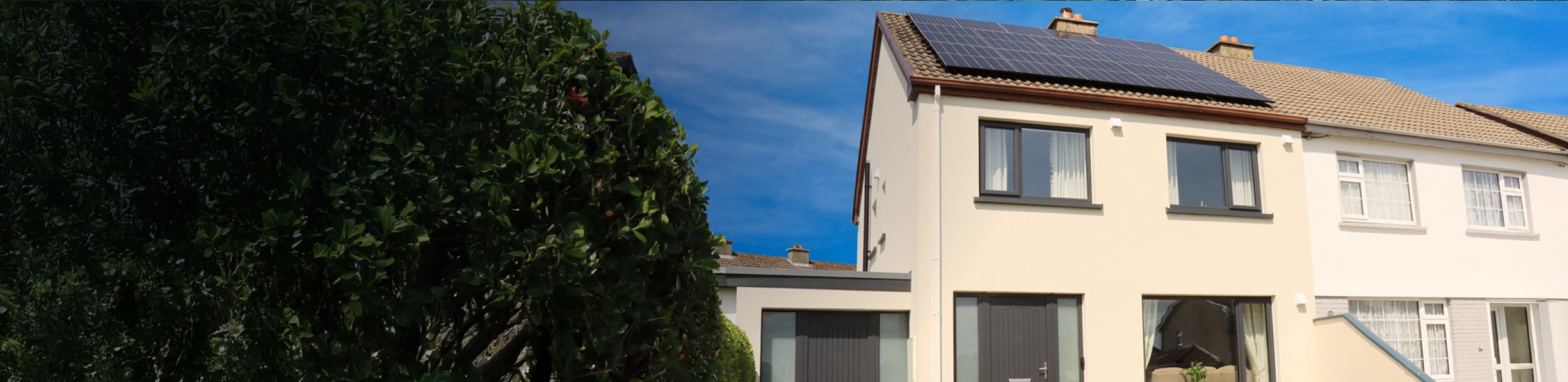
South-facing roofs are ideal — but not essential.
East
and west-facing roofs often perform very well. In some cases,
north-facing roofs may still be viable depending on pitch and shading.
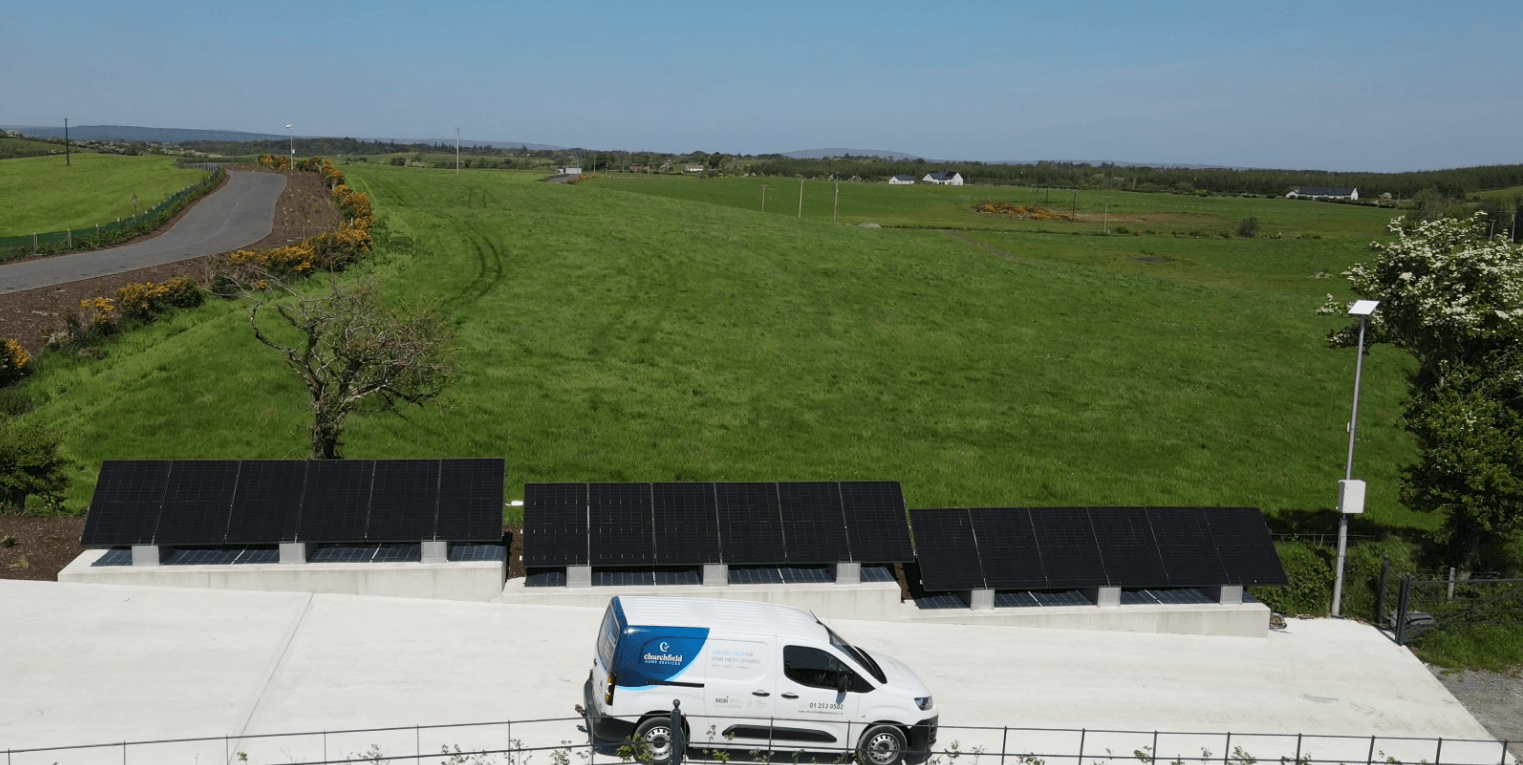
Ground-mounted systems are also an option for certain properties.
Churchfield assesses your specific home before recommending a design. There is no one-size-fits-all system.
Myth 6: “Solar Won’t Make a Big Difference to My Bills”
Solar reduces the electricity you buy from the grid during daylight hours.
Savings depend on:
- When you use electricity
- How much you use
- System size
- Whether battery storage is included
Solar is not about eliminating bills entirely. It’s about reducing reliance on rising electricity prices and generating your own power during the day.
Churchfield provides a clear generation estimate and projected impact before any commitment is made.

Myth 7: “The Technology Isn’t Reliable”
Modern Solar PV systems are durable and low maintenance.
Panels typically carry long performance warranties. Inverters may require replacement during the system’s lifetime, but overall maintenance requirements are minimal.
Churchfield installs professionally designed systems that meet current electrical and SEAI standards, ensuring long-term reliability and compliance.
Why Working with the Right Provider Matters
Solar PV is not just about installing panels on a roof.
It involves:
- Proper system design
- Electrical integration
- Grant compliance
- Safe installation
- Clear documentation
As
a Registered SEAI One Stop Shop, Churchfield Home Services manages the
full process from initial suitability check through to completed
installation.
Homeowners receive:
- A clear system recommendation
- Transparent pricing
- Grant handling
- Defined next steps
No confusion. No pressure. Just clarity.
What Happens Next?
If you’re considering Solar PV, the first step is a suitability check with Churchfield Home Services.
You’ll receive:
- A review of your roof or ground space
- Estimated generation
- Information on SEAI grants
- A clear explanation of your options
- Guidance on whether battery storage is appropriate
From there, you decide — based on facts, not myths.
Enjoy Year-Round Comfort with a Heat Pump
Is my home is Heatpump ready?Tags
- Solar PV
- Home Energy Assessment
- Solar PV Survey
- Home Energy Assessment Calculator
- Solar PV Calculator
- Solar Saving App
Author

Published on 08 April 2026: Updated • 6 minute read
Share with
Our Latest Blogs
How SEAI Solar PV Grants Work in Ireland
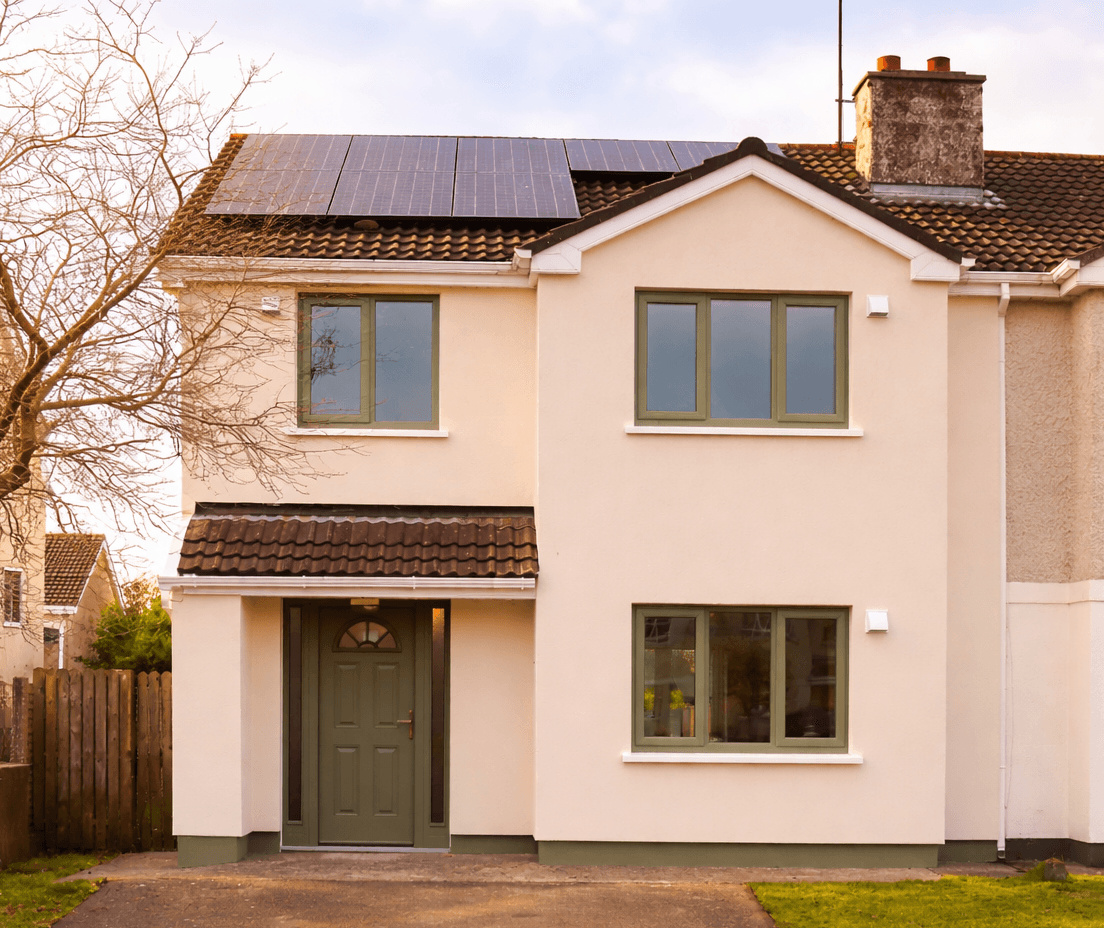
Solar PV grants in Ireland can significantly reduce the upfront cost of installing solar panels — but understanding how they work is key before making a decision. This guide explains how SEAI Solar PV grants are applied, who qualifies, how payments are processed, and what happens next if you’re planning a professional installation.
08 Apr : Updated
Is Solar PV Worth It in Ireland?
Generating your own electricity in Ireland is no longer just for early adopters. With rising energy costs, improved technology and strong SEAI grant support, Solar PV is now a practical upgrade for many homes. But is it worth it for your home? Here’s what you need to know before deciding.
08 Apr : Updated
How Much Can Solar Panels Reduce Your Electricity Bills?
Solar panels can significantly reduce your electricity bills in Ireland — but the exact savings depend on your home, usage patterns, and system design. In this guide, we’ll explain what affects your savings, what’s realistic, and what happens next if you’re considering Solar PV.
08 Apr : Updated
.jpg&w=1920&q=100)
Do I Need a Battery with Solar Panels?
Thinking about installing Solar PV but unsure if you need a battery? This guide explains how solar panels work without storage, when a battery makes sense, and how Irish homeowners can decide based on usage, savings and long-term plans.
08 Apr : Updated

Start saving on your energy bills today!
Sign up to our weekly newsletter
- Learn how to access grants and funding
- Tips and offers to reduce your energy bill


