

Take Your First Step
Tell us what you need help with and our team will contact you about the next step.
.jpg&w=1920&q=100)
Do I Need a Battery with Solar Panels?
Published on 08 April 2026 : Updated • 5 minute read
How Solar Panels Work Without a Battery
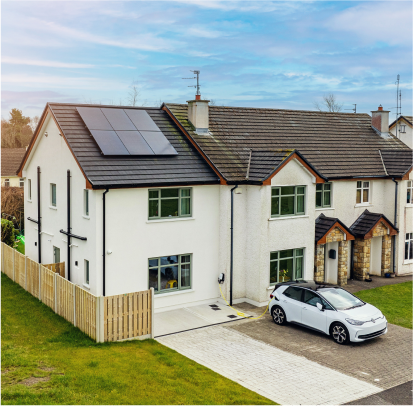
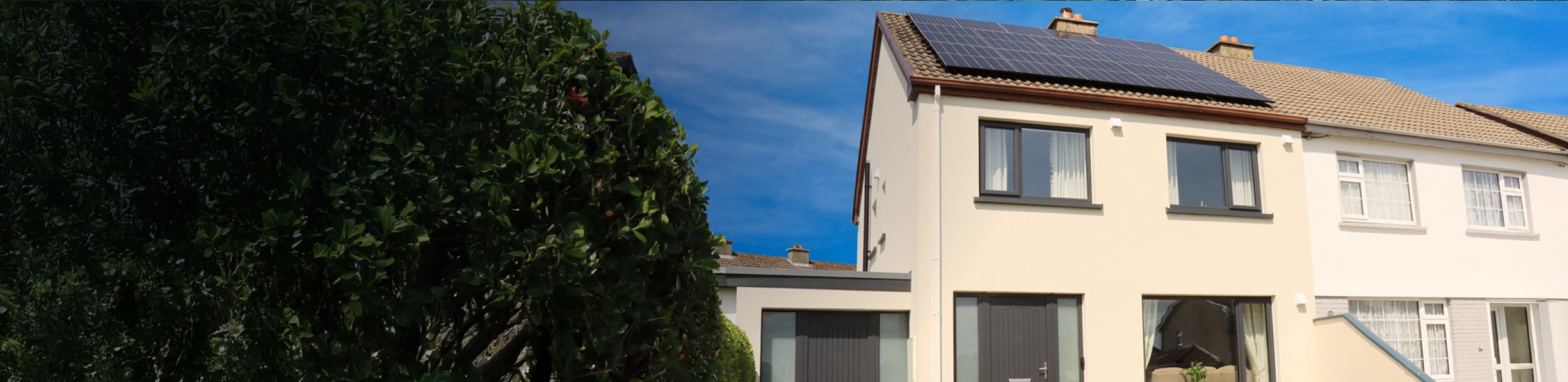
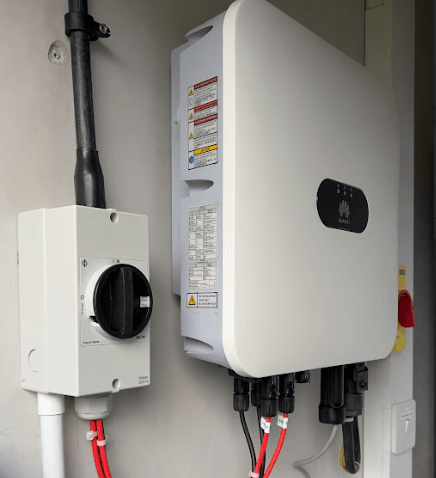
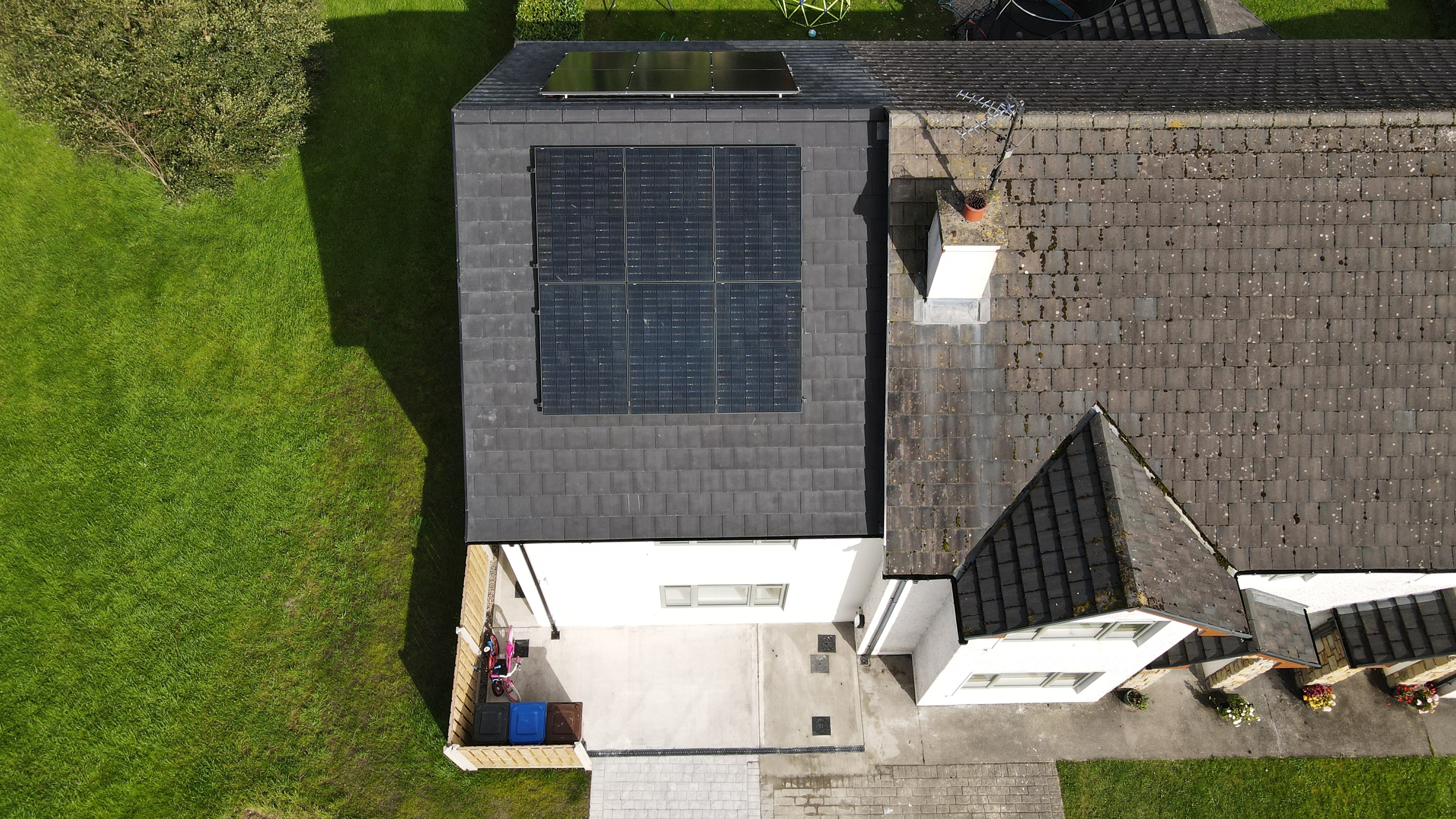
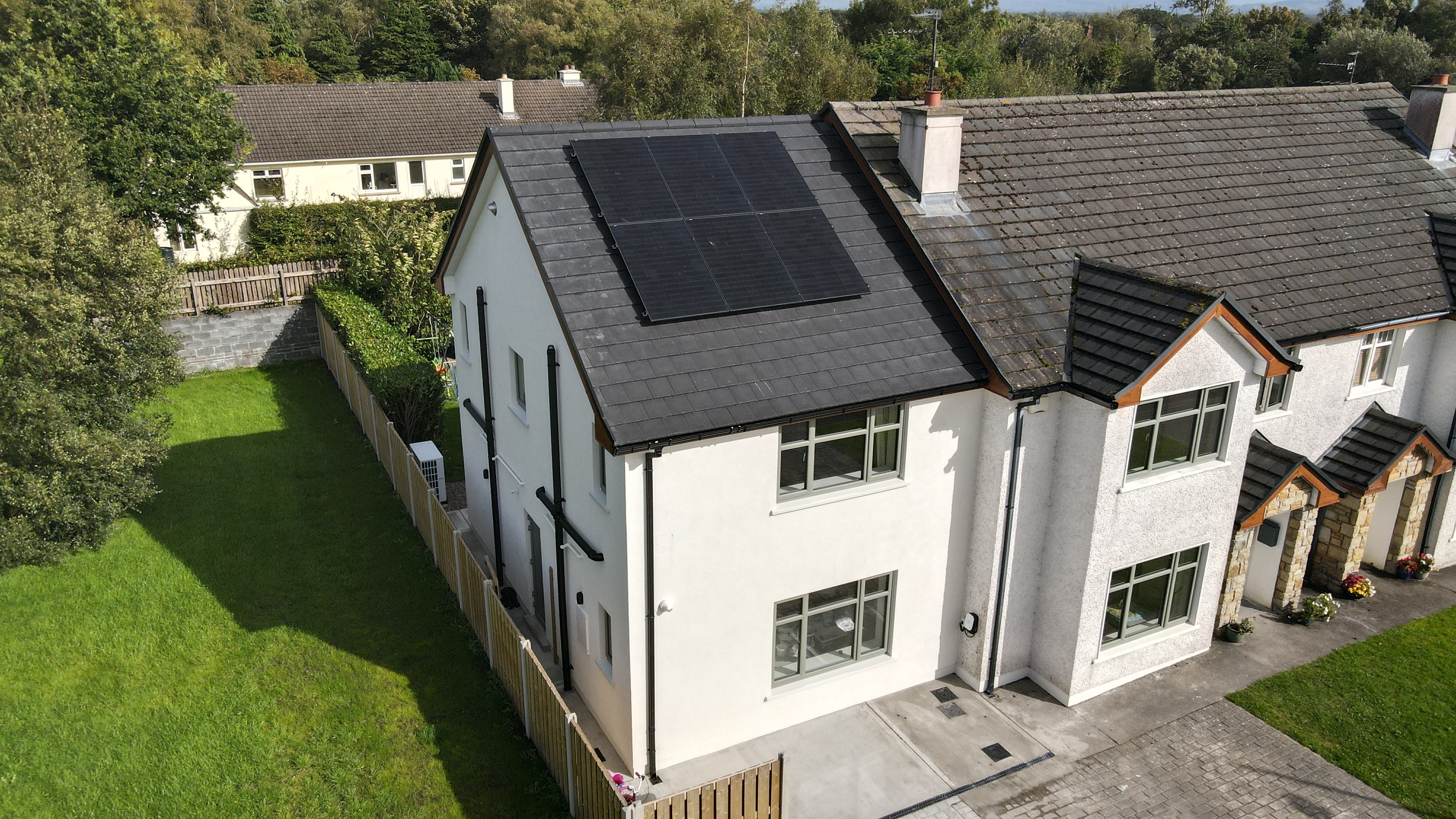
Solar panels generate electricity during daylight hours. That power flows through an inverter and is used in your home first.
If you’re home during the day and running appliances — washing machine, dishwasher, immersion, EV charger — you’ll use more of your own solar power directly.
If you’re not using all the electricity being generated, the excess is exported back to the grid. In Ireland, many homeowners receive a Clean Export Guarantee payment from their electricity supplier for that exported energy.
So yes — Solar PV works perfectly well without a battery.
What Does a Battery Actually Do?
A battery stores the extra electricity your panels generate during the day so you can use it later — typically in the evening when energy demand is higher.
Instead of exporting power at a lower rate and buying it back at a higher rate later, you store it and use your own electricity at night.
In simple terms:
- No battery = use it now or export it
- With battery = use it now or store it for later
When a Battery Makes Sense
A battery can be a strong addition if:
1. You’re Out During the Day
If your home is empty most weekdays, much of your solar energy may be exported. A battery helps you capture more of that generation for evening use.
2. You Have High Evening Usage
Families who cook, shower, run appliances and charge devices in the evening often benefit from stored solar energy.
3. You Want Greater Energy Independence
Some homeowners prefer reducing reliance on the grid as much as possible. A battery increases self-consumption.
4. You’re Future-Planning
If you’re considering adding:
- An electric vehicle
- A heat pump
- Time-of-use tariffs
A battery can improve flexibility and long-term savings.
When You Might Not Need One
A battery may not be necessary if:
- You’re home most of the day
- Your daytime energy usage is already high
- You’re starting with a smaller system
- Budget is a priority right now
Many homeowners install Solar PV first and add a battery later. Modern systems can often be designed “battery-ready”.
Grants in Ireland
Under SEAI supports, Solar PV systems are grant-aided. As a registered One Stop Shop, Churchfield Home Services handles:
- System design
- Grant application
- Paperwork
- Installation
- Compliance
- Grants are deducted upfront, so you only pay the net cost.
(Exact grant amounts depend on system size and SEAI criteria at the time of application.)
What Happens Next?
If you’re unsure whether you need a battery, the first step is a suitability check.
We look at:
- Your roof or ground-mount potential
- Day vs evening usage patterns
- Your long-term plans
- Budget
- Electrical setup
From there, you’ll receive a clear recommendation — panels only, or panels plus storage — based on your home, not a generic upsell.
The Bottom Line
You do not need a battery for Solar PV to work.
But depending on how and when you use electricity, it can increase savings and flexibility.
The right choice depends on your home and how you live in it.
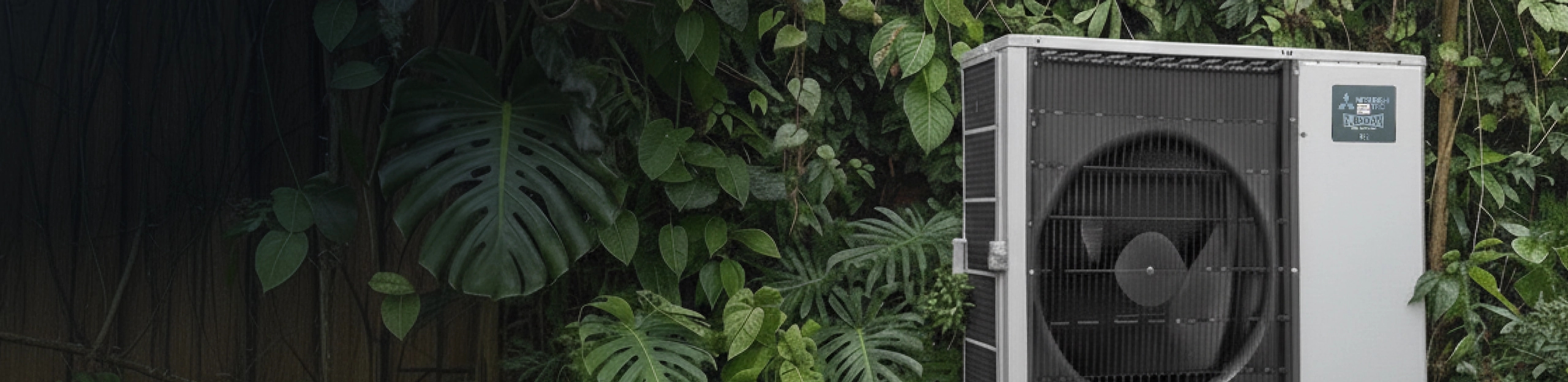
Enjoy Year-Round Comfort with a Heat Pump
Is my home is Heatpump ready?Tags
- Solar PV
- Home Energy Assessment
- Solar PV Survey
- Home Energy Assessment Calculator
- Solar PV Calculator
- Solar Saving App
Author

Published on 08 April 2026: Updated • 5 minute read
Share with
Our Latest Blogs
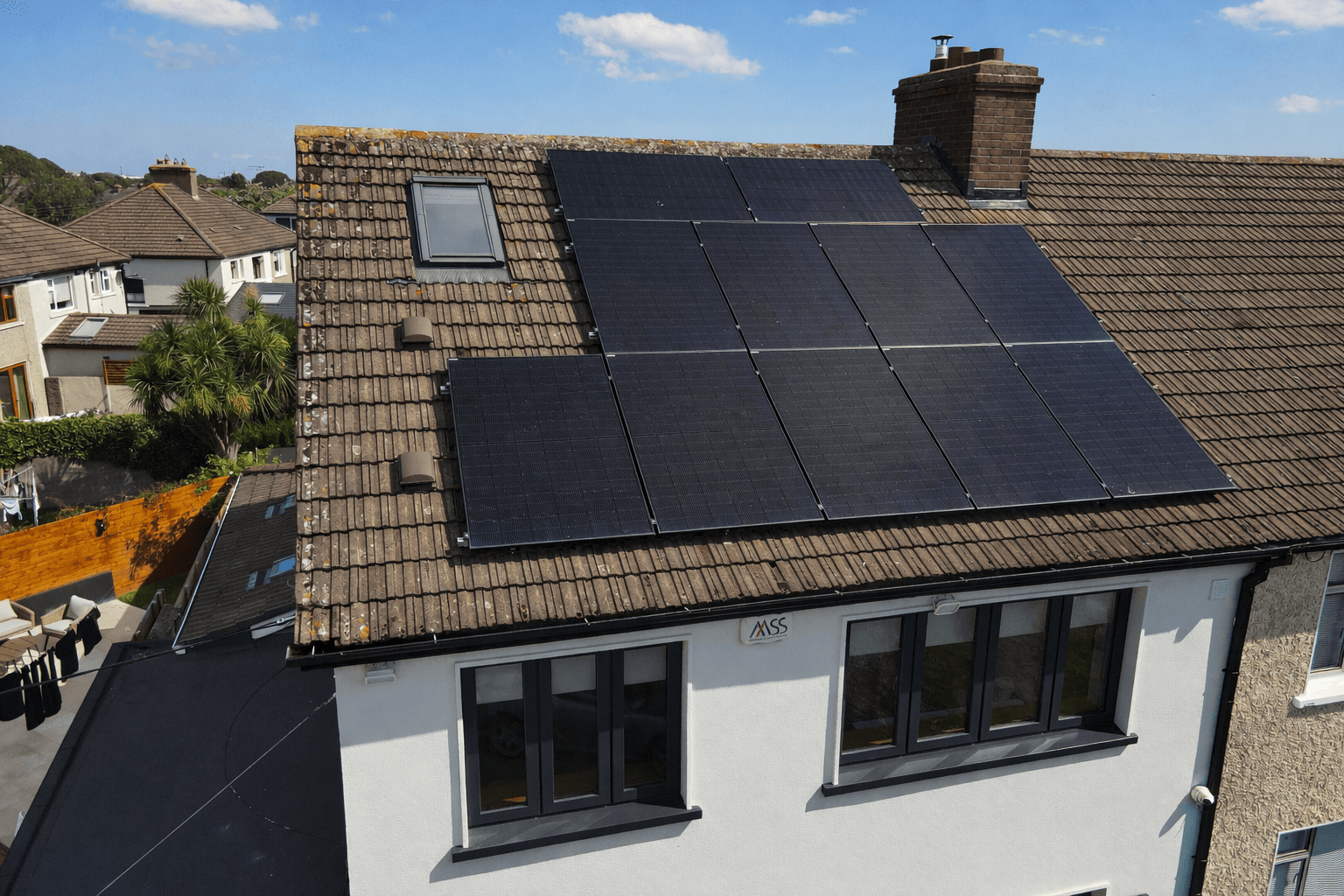
Is Solar PV Worth It in Ireland?
Generating your own electricity in Ireland is no longer just for early adopters. With rising energy costs, improved technology and strong SEAI grant support, Solar PV is now a practical upgrade for many homes. But is it worth it for your home? Here’s what you need to know before deciding.
08 Apr : Updated
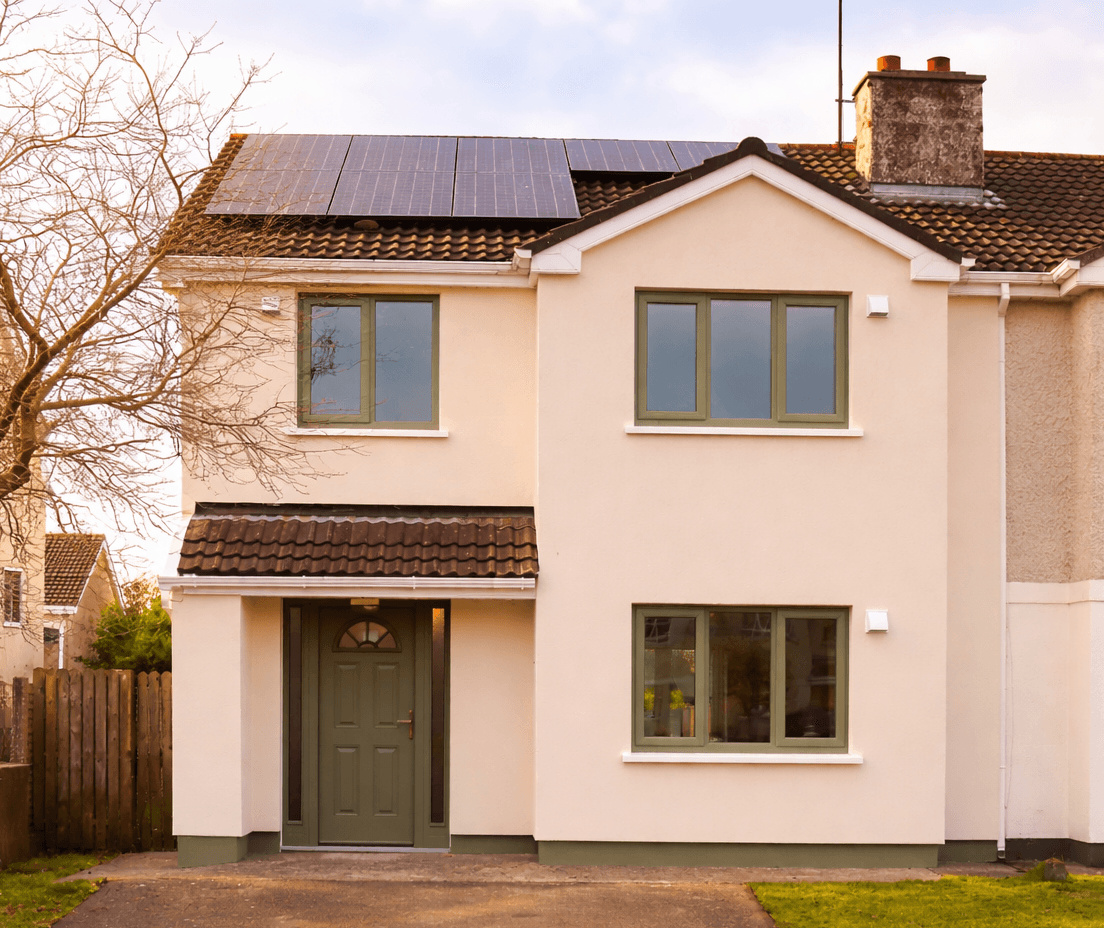
How SEAI Solar PV Grants Work in Ireland
Solar PV grants in Ireland can significantly reduce the upfront cost of installing solar panels — but understanding how they work is key before making a decision. This guide explains how SEAI Solar PV grants are applied, who qualifies, how payments are processed, and what happens next if you’re planning a professional installation.
08 Apr : Updated
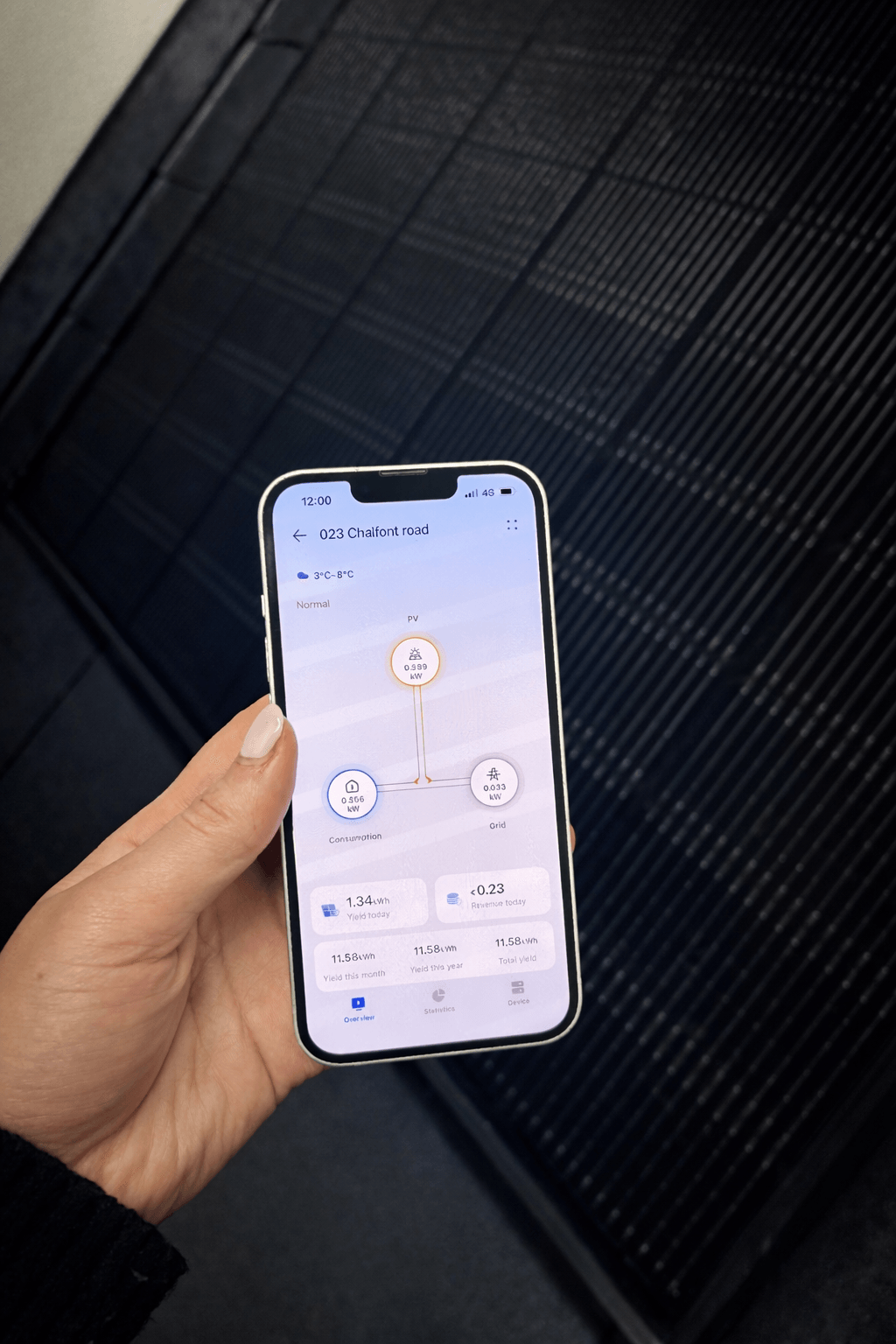
How Much Can Solar Panels Reduce Your Electricity Bills?
Solar panels can significantly reduce your electricity bills in Ireland — but the exact savings depend on your home, usage patterns, and system design. In this guide, we’ll explain what affects your savings, what’s realistic, and what happens next if you’re considering Solar PV.
08 Apr : Updated

Start saving on your energy bills today!
Sign up to our weekly newsletter
- Learn how to access grants and funding
- Tips and offers to reduce your energy bill


