







Take Your First Step
Tell us what you need help with and our team will contact you about the next step.

SEAI Grants Explained: How the Process Works
Published on 08 April 2026 : Updated • 4 minute read
Why understanding the process matters
When people hear about SEAI grants, they often focus on the amount available. But what really determines whether an upgrade runs smoothly is understanding the process behind the funding.
Confusion usually arises when homeowners try to apply for grants before confirming what their home actually needs. SEAI grants are structured around suitability and proper sequencing. That means the journey begins with your home — not with paperwork.
Step 1: Start with a Home Energy Assessment
The first step in most grant-supported upgrades is a Home Energy Assessment. This is where your home is professionally reviewed to understand how it performs today.
During the assessment, insulation levels, heating systems, ventilation, and overall energy efficiency are examined. From this, a clear upgrade pathway is developed. This step ensures any proposed work is appropriate and aligned with SEAI requirements.
Without an assessment, it is very difficult to confirm eligibility for many grants, particularly those linked to larger home upgrades.
Step 2: Confirm what grants apply
SEAI grants are administered through the Sustainable Energy Authority of Ireland. Once your home has been assessed and a plan is in place, it becomes clear which supports may apply.
Grants differ depending on:
- The type of upgrade
- Whether measures are completed individually or as part of a full home energy upgrade
- Your home’s current condition and suitability
This is the point where expectations are set realistically. Maximum grant figures advertised publicly represent potential support, not automatic entitlements.
Step 3: Grant application and approval
After confirming the appropriate upgrades, the grant application is prepared in line with SEAI guidelines. Documentation, technical details, and compliance requirements must all be correctly submitted.
When working with a Registered One Stop Shop like Churchfield Home Services, this stage is managed as part of the overall service. This reduces the administrative burden and ensures the process follows the correct order.
Grant approval must be in place before works begin. Starting too early can risk eligibility.
Step 4: Installation and quality checks
Once approval is secured, installation works proceed in line with the agreed upgrade plan. Proper sequencing is important — for example, insulation improvements often come before heating upgrades to ensure long-term efficiency.
After installation, required documentation and quality checks are completed to satisfy SEAI standards. This ensures compliance and confirms the upgrade meets the expected performance requirements.
Step 5: Grant deduction and finalisation
Where applicable, grants are deducted upfront as part of the One Stop Shop model. This means you pay the net cost, rather than waiting for reimbursement.
The process concludes with final paperwork and updated certification where required, giving you a clear record of the improvements carried out.

Common mistakes to avoid
Many delays in the grant process come from simple misunderstandings. Starting work before approval, choosing upgrades without assessment, or assuming all homes qualify for the same supports can create complications.
The process works best when it follows the correct sequence:
Assessment → Plan → Approval → Installation → Final documentation.
What happens next?
If you are considering SEAI grants, the most important step is starting the process correctly. A Home Energy Assessment provides clarity on your home’s performance, confirms what upgrades are suitable, and explains what level of grant support may apply.
Take your first step today
Book your Home Energy Assessment online with the Churchfield Home Services team.
No pressure. No obligation. Just a clear explanation of how the process works for your home.

Enjoy Year-Round Comfort with a Heat Pump
Is my home is Heatpump ready?Tags
- Grant Oil Boiler
- SEAI Grants
- One Stop Shop Grants
- Individual Energy Upgrades Grants
- IEU Grants
Author

Published on 08 April 2026: Updated • 4 minute read
Share with

Our Latest Blogs
Financing Your Home Energy Upgrade in Ireland: SEAI Grants and Green Loans Explained
Understanding how to pay for a home energy upgrade can feel confusing. This guide explains how SEAI grants and green loans work in Ireland, what they can be used for, and how homeowners typically combine them clearly and without pressure.
02 Feb : Updated
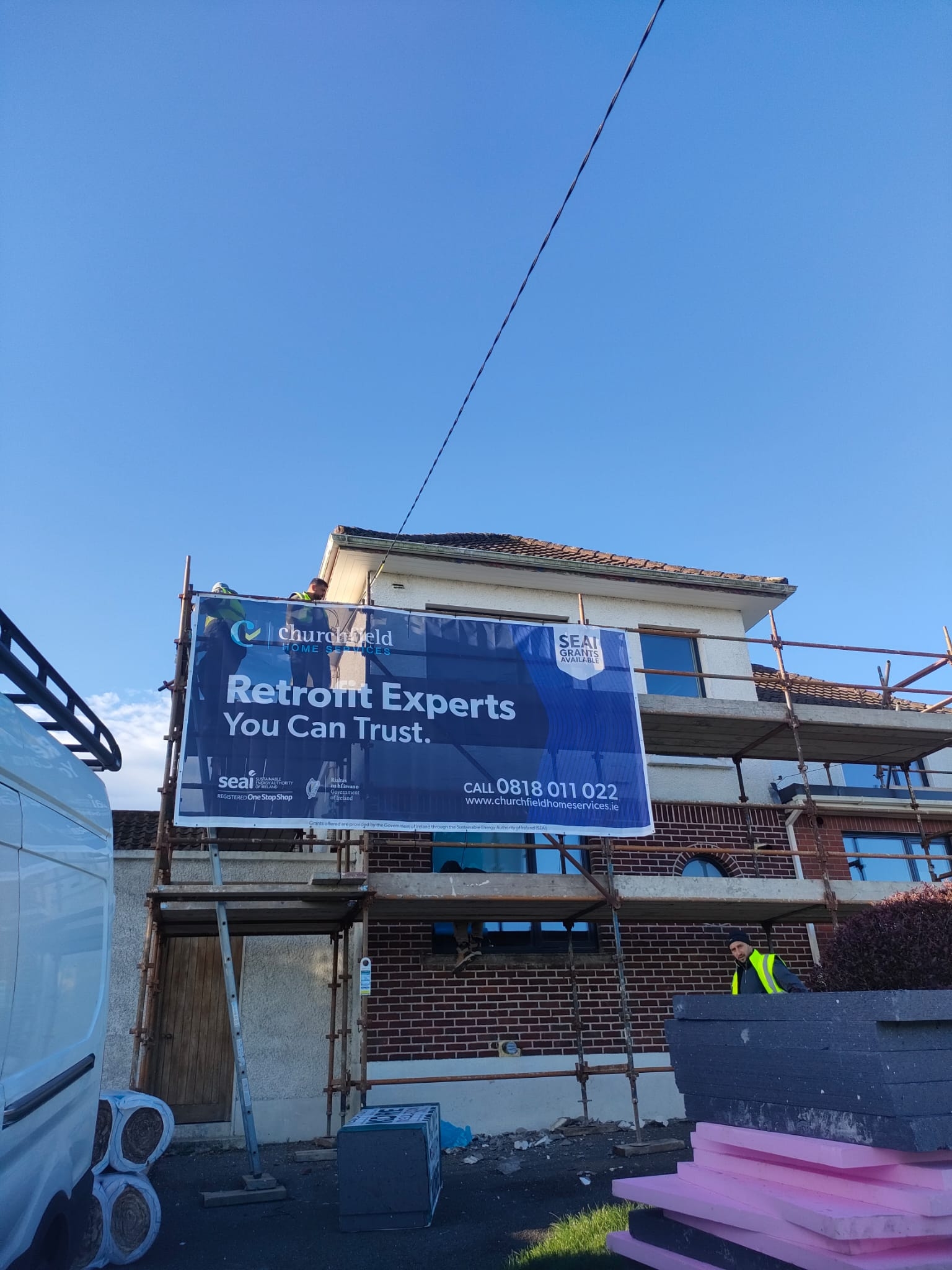
SEAI One Stop Shop vs. Individual Grants: Which Is Right for Your Home Upgrade?
When planning a home energy upgrade, many homeowners are unsure whether to use the SEAI One Stop Shop or apply for individual grants. This guide explains the key differences, how each option works, and which route may suit your home best — so you can make an informed decision with clarity and confidence.
08 Apr : Updated

Common SEAI Grant Mistakes a Home Energy Assessment Helps You Avoid
SEAI grants can significantly reduce the cost of upgrading your home — but many applications fail or underdeliver due to avoidable mistakes. This blog explains the most common SEAI grant errors homeowners make, and how a Home Energy Assessment helps you avoid confusion, delays, and costly missteps from the start.
08 Apr : Updated
.png&w=1920&q=100)
Maximizing Your SEAI Grants
SEAI grants can make home energy upgrades far more affordable — but only when they’re used in the right way. With different grant routes and eligibility rules, many homeowners risk missing out or using grants on upgrades that don’t fully suit their home. This guide explains how to get the most value from your SEAI grants, without confusion or pressure.
08 Apr : Updated

Start saving on your energy bills today!
Sign up to our weekly newsletter
- Learn how to access grants and funding
- Tips and offers to reduce your energy bill


