






Take Your First Step
Tell us what you need help with and our team will contact you about the next step.
New SEAI Grants from 6 October 2026: What's Changed for Your Home
Published on 01 October 2026 : Updated 01 October • 9 minute read
Key takeaways
- €2,000 boiler scrappage grant when you swap an oil or gas boiler for a heat pump in a home built before 2021. It's already live for eligible homeowners.
- New €600 home battery grant. The first time SEAI has supported battery storage on its own.
- Solar grant open to newer homes. The €1,800 solar PV grant now covers homes built and occupied before 2025, up from 2021.
- Up to €9,000 for solar and a battery for homeowners on certain social welfare payments, including Fuel Allowance.
- Bigger insulation grants for renters in HAP and RAS tenancies, and solar plus battery as standard under the free Warmer Homes Scheme.
Why the Government is doing this now
Energy bills are still hurting. On 29 September 2026, the Minister for Climate, Energy and the Environment, Darragh O'Brien, announced a new package of grants built by the National Energy Affordability Taskforce. The aim is simple: cut bills by cutting our dependence on imported oil and gas.
Demand for retrofits is already at record levels. SEAI says some of its programmes have seen applications rise by more than 200% this year, and it has processed over 100,000 applications since January. The new measures are designed to reach more homes, especially the ones that need help most.
Depending on the upgrade and your home, SEAI estimates the new measures could save a household up to €878 a year. Combined with the grants that already exist for insulation, windows and heat pumps, a whole home upgrade can save up to €1,120 a year.
When does it all start?
Start date
6 October 2026
SEAI has confirmed that all the new measures open from this date, subject to final implementation arrangements.
Boiler scrappage is already live. If you have a heat pump application in progress, the extra €2,000 is added automatically. You don't need to reapply.
The new grants at a glance
Here are the new residential measures and the amounts SEAI has published, plus the existing heat pump grant they stack with.
Boiler scrappage
Homes built before 2021 switching from fossil fuel heating to a heat pump or other renewable heating
€2,000
Saves up to €185 a year
Heat pump (existing grant)
Homes that pass a heat loss check. Stacks with the new scrappage grant.
Up to €12,500
Up to €14,500 with boiler scrappage
Home battery
Homeowners adding battery storage
€600
Saves up to €137 a year
Solar PV (wider eligibility)
Homes built and occupied before 2025
€1,800
Saves up to €741 a year
Solar PV + battery
Homeowners on qualifying social welfare payments
Up to €9,000
Saves up to €878 a year
Solar PV + battery
Warmer Homes Scheme and Solar PV for the Medically Vulnerable
Fully funded
Saves up to €878 a year
Attic insulation
Homes in HAP or RAS tenancies
€1,400 to €2,500
Saves up to €225 a year
Cavity wall insulation
Homes in HAP or RAS tenancies
€900 to €2,300
Saves up to €562 a year
Boiler scrappage
Homes built before 2021 switching from fossil fuel heating to a heat pump or other renewable heating
€2,000
Saves up to €185 a year
Heat pump (existing grant)
Homes that pass a heat loss check. Stacks with the new scrappage grant.
Up to €12,500
Up to €14,500 with boiler scrappage
Home battery
Homeowners adding battery storage
€600
Saves up to €137 a year
Solar PV (wider eligibility)
Homes built and occupied before 2025
€1,800
Saves up to €741 a year
Solar PV + battery
Homeowners on qualifying social welfare payments
Up to €9,000
Saves up to €878 a year
Solar PV + battery
Warmer Homes Scheme and Solar PV for the Medically Vulnerable
Fully funded
Saves up to €878 a year
Attic insulation
Homes in HAP or RAS tenancies
€1,400 to €2,500
Saves up to €225 a year
Cavity wall insulation
Homes in HAP or RAS tenancies
€900 to €2,300
Saves up to €562 a year
Source: SEAI, 29 September 2026. Solar and battery systems referenced are up to 4kWp with 5kWh storage. Savings depend on the measure and your home.

Switching off oil or gas: the €2,000 boiler scrappage grant
Around 700,000 Irish homes still heat with oil. If yours is one of them, this is the headline change.
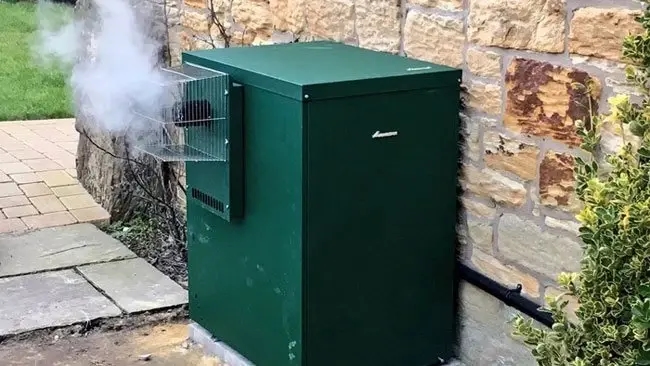
The scrappage grant pays €2,000 when you replace a fossil fuel boiler with a heat pump or other renewable heating system, in a house built before 2021. It sits on top of the existing SEAI heat pump grant of up to €12,500, so total support for a heat pump system can reach €14,500.
Can I get a grant for a new oil or gas boiler?
This is one of the most searched questions we see, so it's worth being clear. SEAI does not fund a like-for-like replacement of an oil or gas boiler. The scrappage grant only applies when you move to a heat pump or another renewable system.
Will a heat pump work in my home?
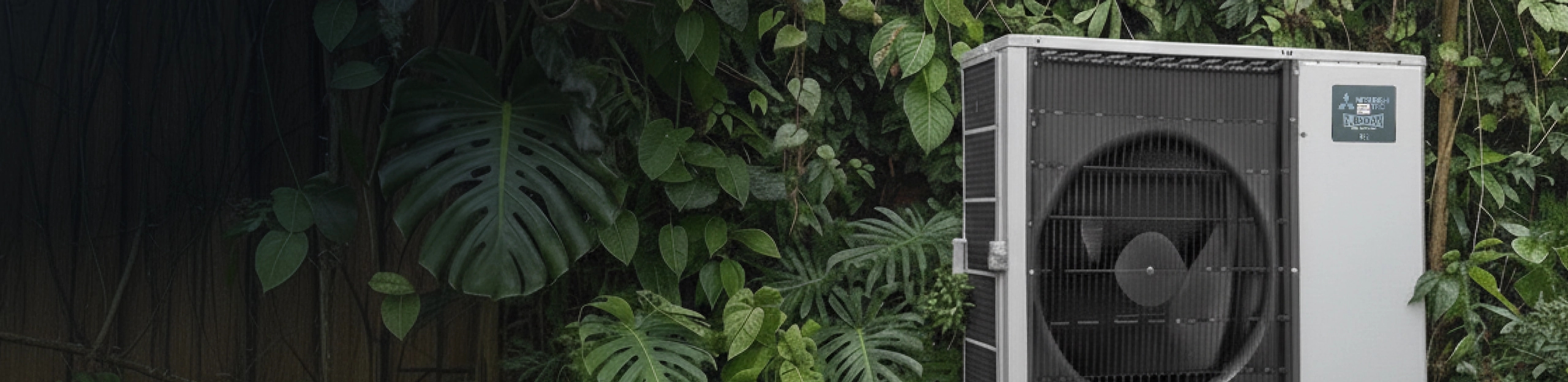
It will if your home holds its heat. A heat pump runs at lower temperatures than a boiler, so a draughty or poorly insulated house will struggle. That's why SEAI asks for a heat loss check before a heat pump grant is approved.
For most older homes, insulation comes first. The One Stop Shop route plans the insulation, ventilation and heat pump together, so the system is sized properly and every grant is claimed in one go.
Thinking of a heat pump?
Find out if your home is heat pump ready
Our assessment checks your heat loss, tells you what needs to happen first and shows which grants you can claim, including the new €2,000.
Check my home →Solar panels: more homes now qualify
Solar is still one of the best value upgrades in Ireland. More than 120,000 homes have already used the SEAI solar grant.
The standard grant stays at up to €1,800. What's changed is who can get it. Until now, your home had to be built and occupied before 2021. From 6 October, the cut-off moves to 2025. If you bought a new build in the last few years and were told you couldn't get the grant, it's time to check again.
The same change applies to the solar thermal grant for hot water.
Batteries: the €600 grant that changes the maths
Until now, SEAI supported solar panels but never batteries on their own. The new €600 battery grant fixes that.
Here's why it matters. Without a battery, most of the power your panels make happens during the day while you're out. The surplus goes back to the grid for a small export payment. With a battery, you store that power and use it in the evening, when you're home and your electricity costs most.
SEAI estimates that a battery installed alongside a 4kWp solar system can bring savings of up to €878 a year. Full eligibility rules for the battery grant are still to be published.

Extra help for lower-income homes and renters
A big focus of this package is the households most exposed to high bills. Three changes stand out.
Up to €9,000 for solar and a battery
Homeowners getting one of these payments can now claim up to €9,000 towards a 4kWp solar system with a 5kWh battery:
- Fuel Allowance under the National Fuel Scheme
- Working Family Payment
- One-Parent Family Payment
- Domiciliary Care Allowance
- Carer's Allowance, if you live with the person you care for
- Jobseeker's Allowance or Disability Allowance for over six months, with a child under seven
Many pensioners receive Fuel Allowance, so this is worth checking if you or a parent is retired.
Solar and battery as standard under Warmer Homes
The Warmer Homes Scheme provides fully funded upgrades for eligible households. Solar panels and a battery will now be offered as standard. More than 39,500 homes have already had free upgrades through the scheme. The Solar PV for the Medically Vulnerable scheme is also being expanded to include a battery.
Insulation grants for HAP and RAS tenancies
For the first time, homes rented under HAP and RAS can get attic insulation grants of €1,400 to €2,500 and cavity wall grants of €900 to €2,300, depending on the house type. A pilot through the Dublin RAS scheme will also offer up to €9,000 for solar and a battery.
Run a business or farm? Solar support has nearly doubled
For the next nine months, the Non-Domestic Microgeneration Grant rises from around 23% to 45% of eligible costs. Heat pumps and solar thermal under the Business Energy Upgrades Scheme also go to 45%. SEAI says an average business solar installation could save around €12,000 a year. If you've been holding off on solar for a shop, workshop or farm, this window won't stay open long.
How to make the most of the new grants
Grants work best when they're part of a plan. Here's what we'd suggest.
1. Start with a Home Energy Assessment
A Home Energy Assessment gives you your current BER, shows where your home is losing heat and tells you which upgrades will make the biggest difference. It also shows which grants you're likely to qualify for. Every good retrofit starts here.
2. Get the order right
Insulate first, then heat. Fabric upgrades like attic, cavity and external wall insulation reduce how much heat you need. That lets a smaller heat pump do the job and keeps running costs down. Solar and batteries can go in at any stage.
3. Consider the One Stop Shop route
If you're planning more than one upgrade, an SEAI One Stop Shop manages the whole project. We handle the assessment, the plan, the SEAI paperwork and the installation, and the grants are deducted from your price upfront. You deal with one team from start to finish.
4. Move before demand peaks
Applications are already at record levels and SEAI expects demand to rise again with these new grants. Getting your assessment done now means you're ready to go as soon as you decide.
More measures could follow. The Government says further supports will be considered as part of Budget 2027, and an Energy Affordability Action Plan is due in the coming weeks. We'll update this page as details are confirmed.
Why homeowners choose Churchfield Home Services
We're an SEAI-registered One Stop Shop, and we've helped more than 6,000 Irish homes upgrade. Our team handles solar PV and batteries, heat pumps, attic, cavity and external wall insulation, and ventilation, across the West (Mayo, Galway, Sligo, Roscommon) and the East (Dublin, Wicklow, Kildare, Meath).
We'll tell you plainly which grants apply to your home and what your upgrade will really cost after them. No pressure, no surprises.
Frequently asked questions
When do the new SEAI grants start?
From 6 October 2026, subject to final implementation arrangements. The €2,000 boiler scrappage grant is already live for eligible homeowners and is added automatically if your heat pump application is in progress.
Who can get the €2,000 boiler scrappage grant?
Homeowners replacing a fossil fuel heating system, such as an oil or gas boiler, with a heat pump or other renewable heating system in a house built before 2021. Full terms and conditions are still to be published by SEAI.
Is there a grant to replace my oil boiler with a new oil boiler?
No. SEAI does not fund a like-for-like oil or gas boiler. The scrappage grant only applies when you switch to a heat pump or other renewable heating.
How much can I get towards a heat pump now?
The existing SEAI heat pump grant is up to €12,500. With the €2,000 scrappage grant, total support can reach €14,500 if you're replacing a fossil fuel system. Your home needs to pass a heat loss check first.
Has the solar panel grant gone up?
Not for most homeowners. It stays at up to €1,800. The change is that homes built and occupied before 2025 now qualify, up from 2021. Homeowners on certain social welfare payments can get up to €9,000 for solar and a battery.
How much is the new battery grant?
€600 towards a home battery energy storage system. SEAI will publish the full eligibility rules shortly.
Are there SEAI grants for pensioners?
There's no grant based on age alone. But if you receive Fuel Allowance, which many pensioners do, you may qualify for up to €9,000 towards solar and a battery, and for fully funded upgrades under the Warmer Homes Scheme.
Are attic and cavity insulation grants going up for everyone?
No. The higher rates are for homes in HAP and RAS tenancies. Standard insulation grants are still available to all eligible homeowners.
Do I need a Home Energy Assessment first?
For a One Stop Shop upgrade, yes, and for a heat pump you'll need a technical assessment. Even for a single upgrade, an assessment is the best way to know which grants you qualify for and which upgrade to do first.
Enjoy Year-Round Comfort with a Heat Pump
Is my home is Heatpump ready?Tags
- One Stop Shop
- Heat Pumps
- Solar PV
- Home Energy Upgrade Grants
Author

Published on 01 October 2026: Updated 01 October • 9 minute read
Share with

Our Latest Blogs
What Is a Home Energy Assessment — and Why Does It Matter for Your Home?
If you are thinking about improving your home but are unsure where to start, a Home Energy Assessment gives you a clear picture of how your home performs today so future decisions are informed and unpressured.
08 Apr : Updated
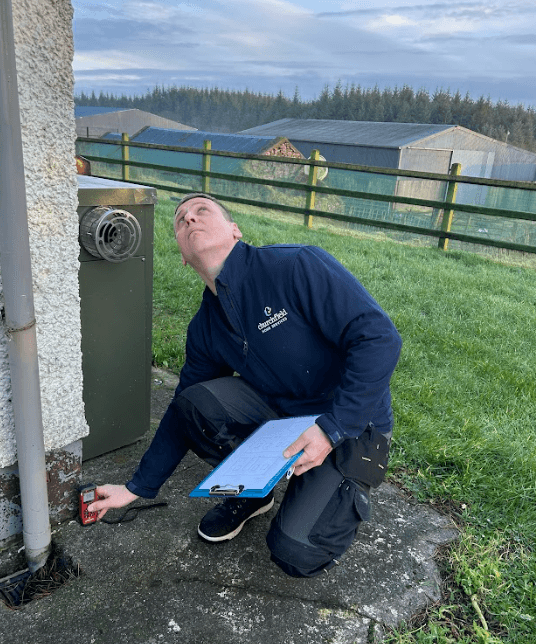
A Home Energy Assessment Explained for Irish Homeowners
A Home Energy Assessment helps Irish homeowners understand how their home is performing today. It explains where heat is being lost, why comfort issues exist and what improvements may be worth considering before any decisions are made.
08 Apr : Updated

How much does a Home Energy Assessment cost in your area?
Most people asking about the cost of a Home Energy Assessment want reassurance, not just a price. This guide explains what affects the cost, what does not and how to decide if a Home Energy Assessment is the right first step for your home.
08 Apr : Updated

Will a Home Energy Assessment Make My Home Warmer?
Many Irish homeowners feel frustrated when the heating is on but the house still feels cold. Certain rooms may never warm up and energy bills can rise without any real improvement in comfort. A Home Energy Assessment helps explain why this happens by looking at how your home actually performs.
08 Apr : Updated
How SEAI Grant Eligibility Works After Your Home Energy Assessment
Once your Home Energy Assessment is complete, it is natural to start thinking about what support may be available if you decide to improve your home’s energy efficiency. You may want clarity before making any decisions. You may want to understand how SEAI grants work, what you could be eligible for, and whether upgrading is the right step for your home. A Home Energy Assessment is designed to give you clarity first without pressure or obligation.
08 Apr : Updated

Why Every Irish Homeowner Should Consider a Home Energy Assessment
If you’re an Irish homeowner thinking about improving comfort, lowering energy bills, or upgrading your home, knowing where to start can feel overwhelming. With so much information online about insulation, heating systems, solar panels and grants, it’s hard to know what actually suits your home. That’s where a Home Energy Assessment comes in.
08 Apr : Updated

Start saving on your energy bills today!
Sign up to our weekly newsletter
- Learn how to access grants and funding
- Tips and offers to reduce your energy bill


