


Take Your First Step
Tell us what you need help with and our team will contact you about the next step.
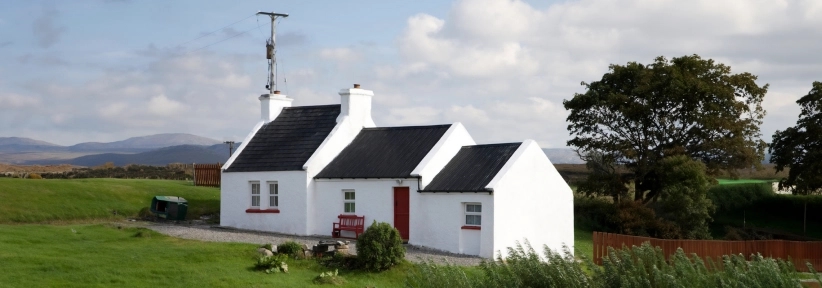
Is Solar PV Worth It for Your Farm in 2026?
Published on 08 April 2026 : Updated • 5 minute read
Why More Irish Farmers Are Considering Solar
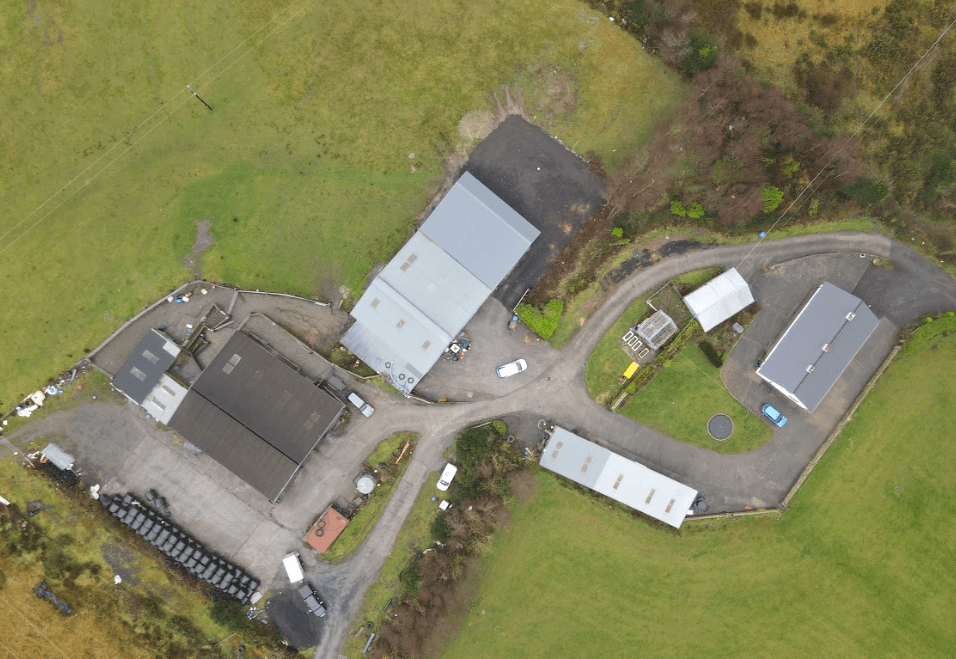
Energy is no longer a small overhead. On many dairy and mixed farms, electricity is a significant running cost — especially where there are:
- Twice-daily milking sessions
- Bulk milk tanks running continuously
- Water heating systems
- Pumps, scrapers and yard equipment
Most
of this demand happens during daylight hours. That alignment is what
makes Solar PV particularly suitable for farms compared to typical
homes.
What Has Changed in 2026?
Electricity prices remain higher than historical averages, and volatility is still a concern.
Farmers are increasingly looking for ways to:
- Reduce reliance on the grid
- Stabilise long-term operating costs
- Improve overall farm efficiency
Solar PV doesn’t remove all energy costs, but it can reduce exposure to price increases by generating electricity directly on your own roof.
How Solar Works on a Farm
Solar panels generate electricity during daylight hours. That electricity is used first by your farm before any excess is exported.
On a farm with strong daytime demand, a well-designed system can offset a significant portion of purchased electricity.
The key is matching system size to actual usage — not oversizing for export. A system should be designed around:
- Milking times
- Cooling demand
- Water heating cycles
- Seasonal usage patterns
What About Winter in Ireland?
Solar output drops in winter, but farms still generate power during daylight hours — even on overcast days.
While summer production is stronger, annual savings are calculated across the full year. Farms with steady year-round usage tend to benefit most because the system is consistently offsetting daytime demand.
Solar should be viewed as a long-term asset rather than a short seasonal solution.
Grants and Financial Support
For eligible farms, grant support may be available through schemes such as TAMS, subject to qualification and approval.
Grants can significantly reduce upfront costs, but applications must be approved before installation begins.
It’s important not to assume eligibility — the correct process and documentation are essential.
What Return Can You Expect?
Return depends on:
- Your annual electricity consumption
- The proportion used during daylight hours
- System size and installation cost
- Grant support received
Farms
with high daytime usage generally see stronger financial performance
because more solar energy is used on-site rather than exported.
Solar PV will not eliminate your electricity bill. However, it can reduce
long-term operating costs and improve financial predictability.
Is Solar PV Worth It for Your Farm?
For many Irish farms in 2026, the answer depends on one thing: usage profile.
If your farm has:
- Consistent daytime electricity demand
- Suitable roof space
- Long-term operational plans
Solar PV can be a practical way to reduce overheads and protect against future energy price increases.
If demand is low or usage is mostly at night, the return may be less compelling.
What Happens Next?
The first step is reviewing your farm’s electricity usage data. A proper assessment should examine:
- Daytime vs nighttime consumption
- Roof suitability
- Electrical capacity
- Grant eligibility
That clarity allows you to make an informed decision based on figures — not assumptions.
Enjoy Year-Round Comfort with a Heat Pump
Is my home is Heatpump ready?Tags
- Solar PV
- Home Energy Assessment
- Solar PV Survey
- Home Energy Assessment Calculator
- Solar PV Calculator
- Solar Saving App
Author

Published on 08 April 2026: Updated • 5 minute read
Share with
Our Latest Blogs
Is Solar PV Worth It in Ireland?
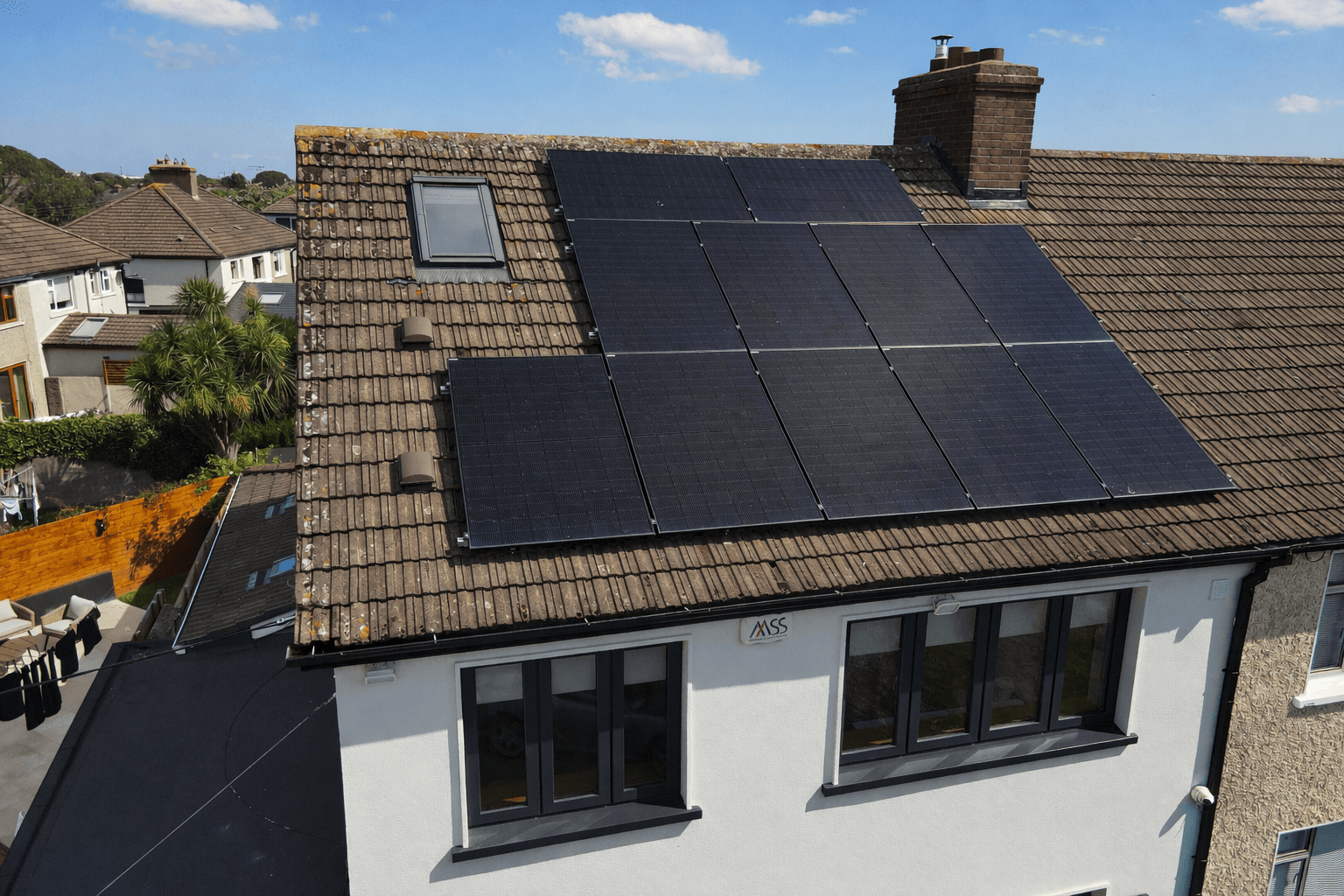
Generating your own electricity in Ireland is no longer just for early adopters. With rising energy costs, improved technology and strong SEAI grant support, Solar PV is now a practical upgrade for many homes. But is it worth it for your home? Here’s what you need to know before deciding.
08 Apr : Updated
How SEAI Solar PV Grants Work in Ireland
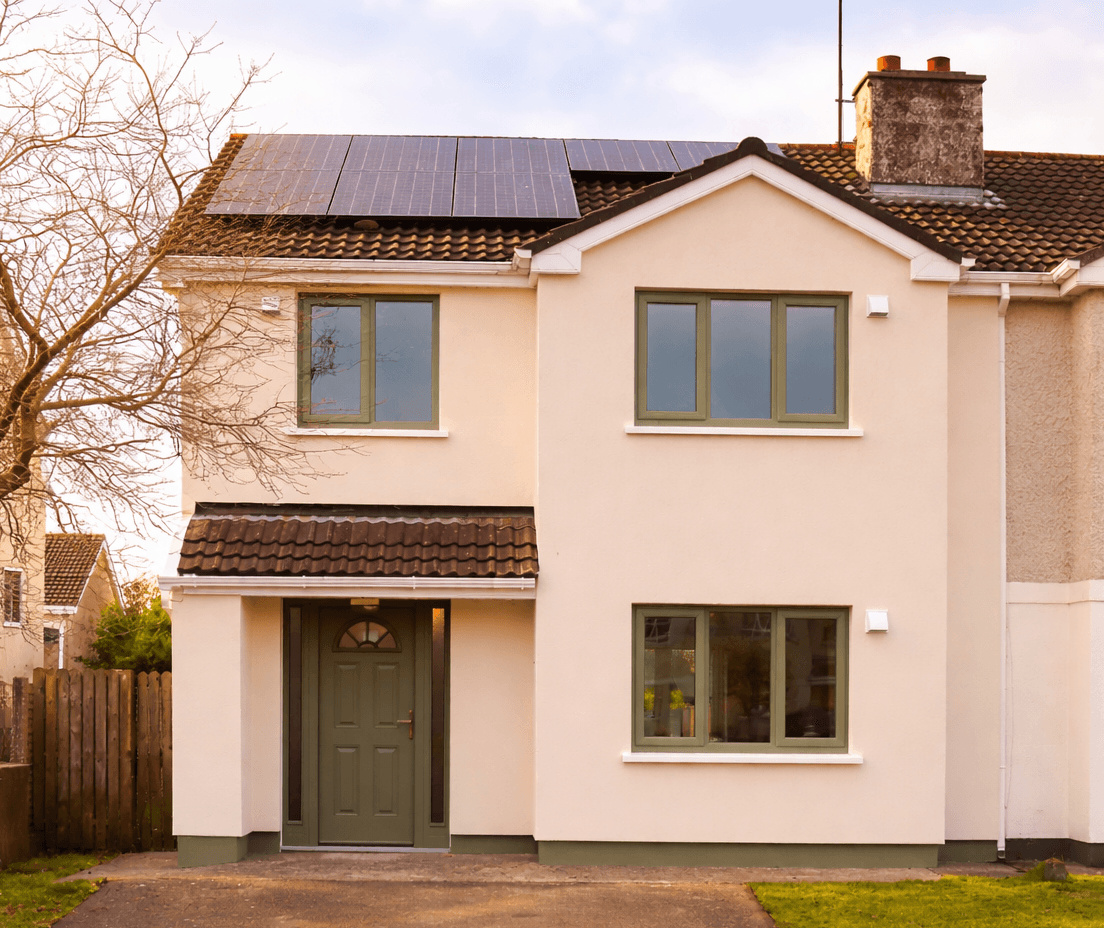
Solar PV grants in Ireland can significantly reduce the upfront cost of installing solar panels — but understanding how they work is key before making a decision. This guide explains how SEAI Solar PV grants are applied, who qualifies, how payments are processed, and what happens next if you’re planning a professional installation.
08 Apr : Updated
How Much Can Solar Panels Reduce Your Electricity Bills?
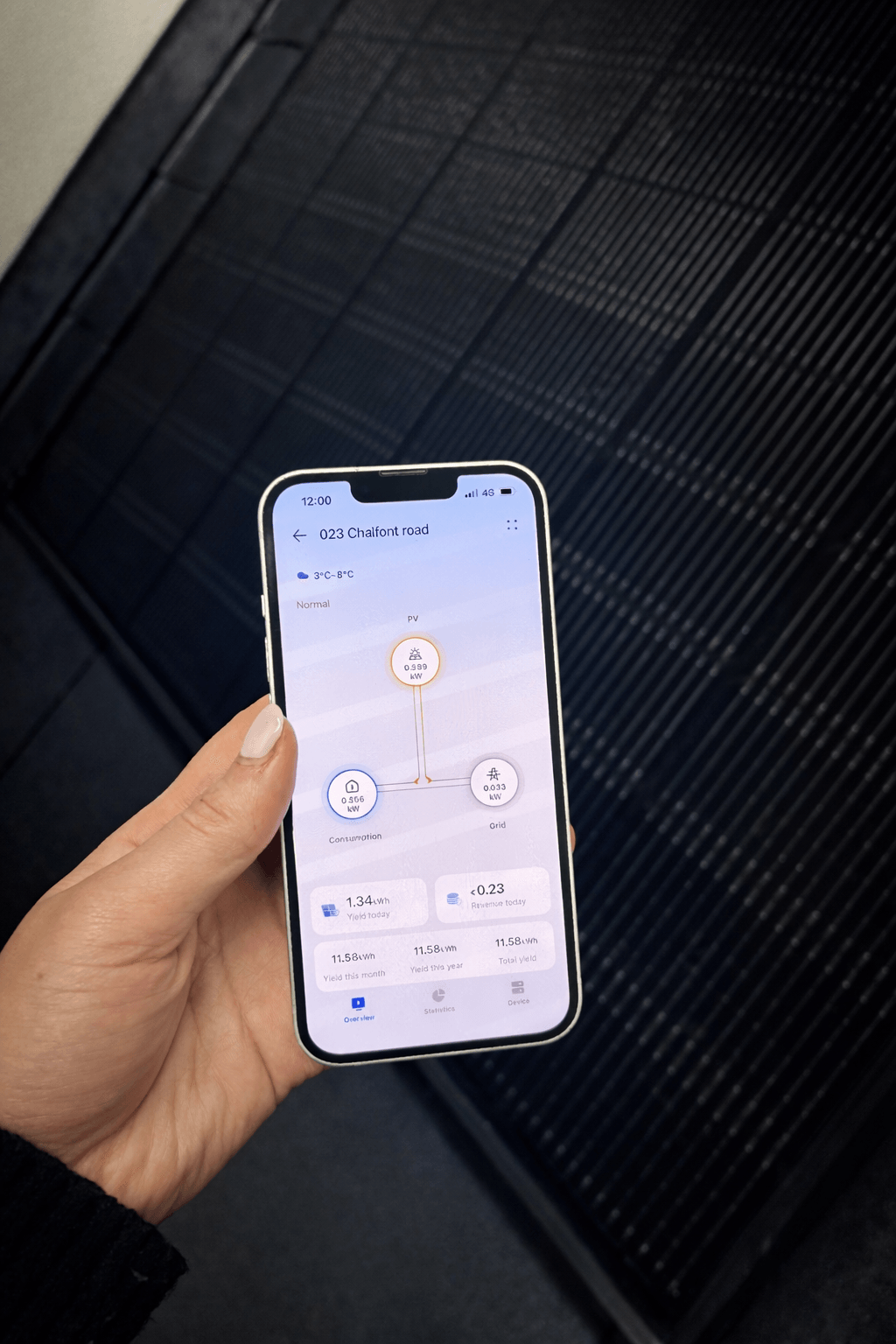
Solar panels can significantly reduce your electricity bills in Ireland — but the exact savings depend on your home, usage patterns, and system design. In this guide, we’ll explain what affects your savings, what’s realistic, and what happens next if you’re considering Solar PV.
08 Apr : Updated

Start saving on your energy bills today!
Sign up to our weekly newsletter
- Learn how to access grants and funding
- Tips and offers to reduce your energy bill


