


Take Your First Step
Tell us what you need help with and our team will contact you about the next step.
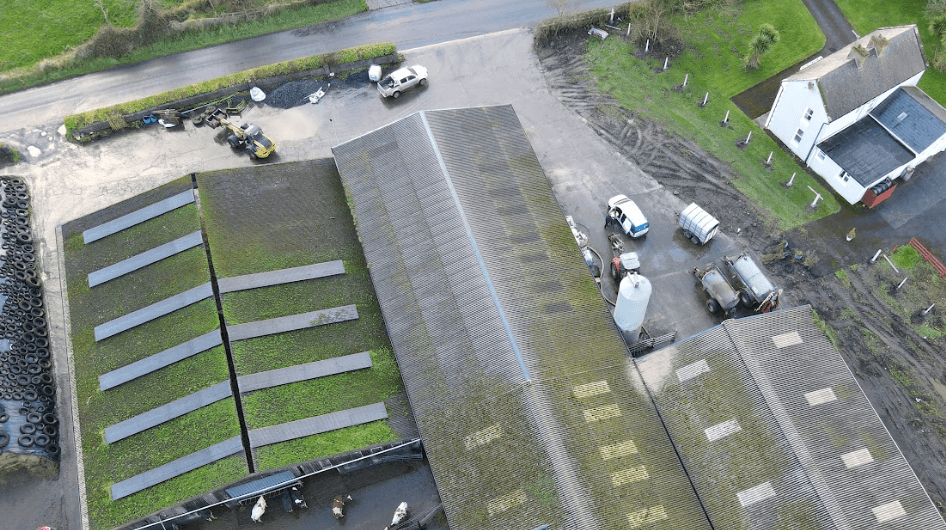
Can Solar Panels Power a Milking Parlour?
Published on 08 April 2026 : Updated • 6 minute read
How Much Electricity Does a Milking Parlour Use?
Electricity demand in a milking parlour typically comes from:
- Vacuum pumps
- Milk cooling systems
- Water heating
- Lighting and yard systems
Much
of this usage happens during daylight hours, especially morning and
afternoon milking sessions. That overlap is what makes Solar PV suitable
for dairy farms.
Can Solar Fully Power a Milking Parlour?
In most cases, solar panels will not power a parlour 100% of the time.
However,
a properly sized system can offset a significant portion of daytime
electricity use. When the sun is shining, your farm uses the electricity
being generated first before drawing from the grid.
The goal is not total independence. The goal is reducing the units you purchase from your electricity supplier.
Why Dairy Farms Are a Good Fit for Solar?
Solar works best where there is strong daytime demand. Dairy farms typically have:
- Consistent daily electricity use
- Peak demand during daylight hours
- Year-round operation
Because milking and cooling are not seasonal activities, solar energy is consistently offsetting usage throughout the year.
What About Early Morning or Evening Milking?
Solar production begins shortly after sunrise and continues through the afternoon.
If milking takes place very early or later in the evening, the farm may still rely partly on grid electricity. However, daytime cooling cycles and water heating can still benefit from solar generation.
A system should be designed around your actual milking schedule and load profile.
What Size System Is Needed?
There is no one-size-fits-all answer. System size depends on:
- Herd size
- Milking frequency
- Cooling demand
- Overall farm electricity consumption
A review of your electricity bills and usage patterns is essential before determining system capacity.
Oversizing without sufficient daytime usage may reduce overall efficiency of the investment.
Will Solar Reduce My ESB Bill?
Yes — if your farm has strong daytime demand.
Solar panels reduce the number of units purchased from your electricity supplier. While they will not eliminate your bill entirely, they can significantly reduce exposure to rising electricity costs over time.
The stronger your daytime usage, the stronger the financial impact.
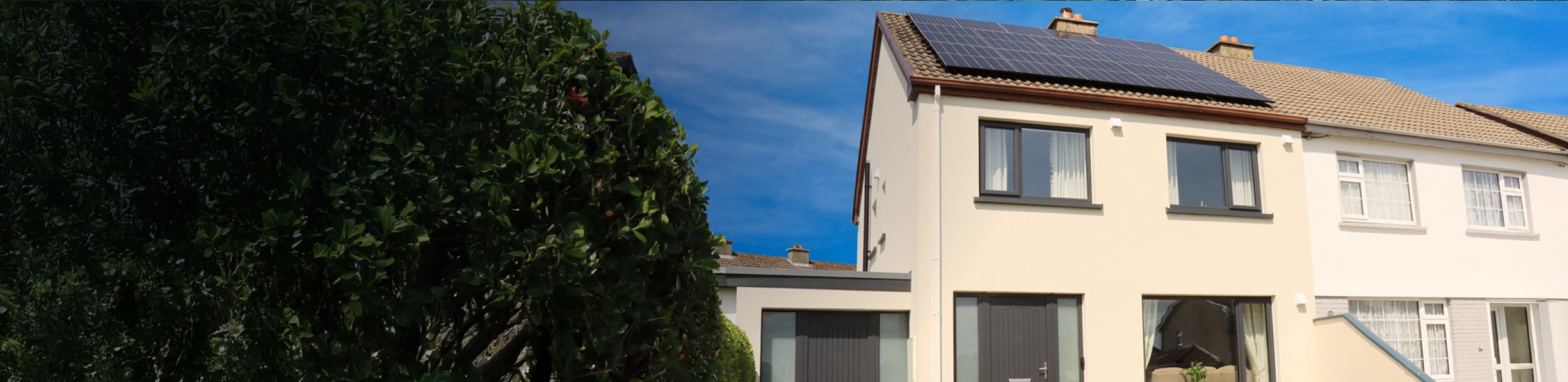
Is Solar Worth It for Dairy Farms?
For many Irish dairy farms, Solar PV aligns well with daily operations. Milking parlours are energy-intensive and operate consistently — exactly the type of profile solar supports best.
The key is careful design based on real usage data, not estimates.
What Happens Next?
If you're considering solar for your milking parlour, the first step is reviewing your farm’s electricity consumption and milking schedule.
A proper assessment should clarify:
- How much of your parlour demand can be offset
- Suitable system size
- Installation cost
- Available grant support (if applicable)
That allows you to make a decision based on clear figures — not assumptions.
Enjoy Year-Round Comfort with a Heat Pump
Is my home is Heatpump ready?Tags
- Solar PV
- Home Energy Assessment
- Solar PV Survey
- Home Energy Assessment Calculator
- Solar PV Calculator
- Solar Saving App
Author

Published on 08 April 2026: Updated • 6 minute read
Share with
Our Latest Blogs
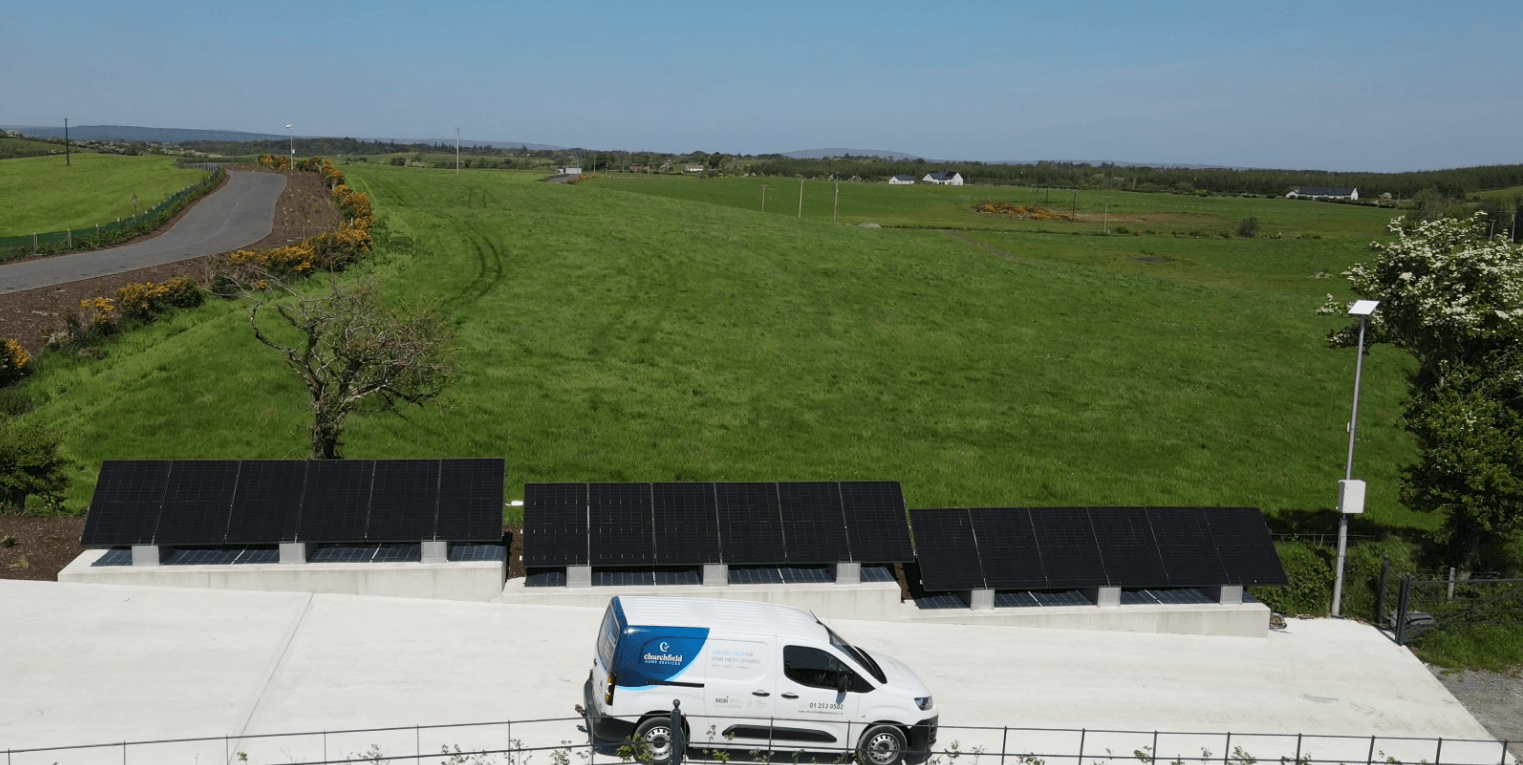
Common Myths About Solar in Ireland
Solar panels are more popular than ever in Ireland, yet many homeowners still hesitate because of outdated information. This guide breaks down the most common myths about Solar PV in Ireland and explains what’s actually true today.
08 Apr : Updated
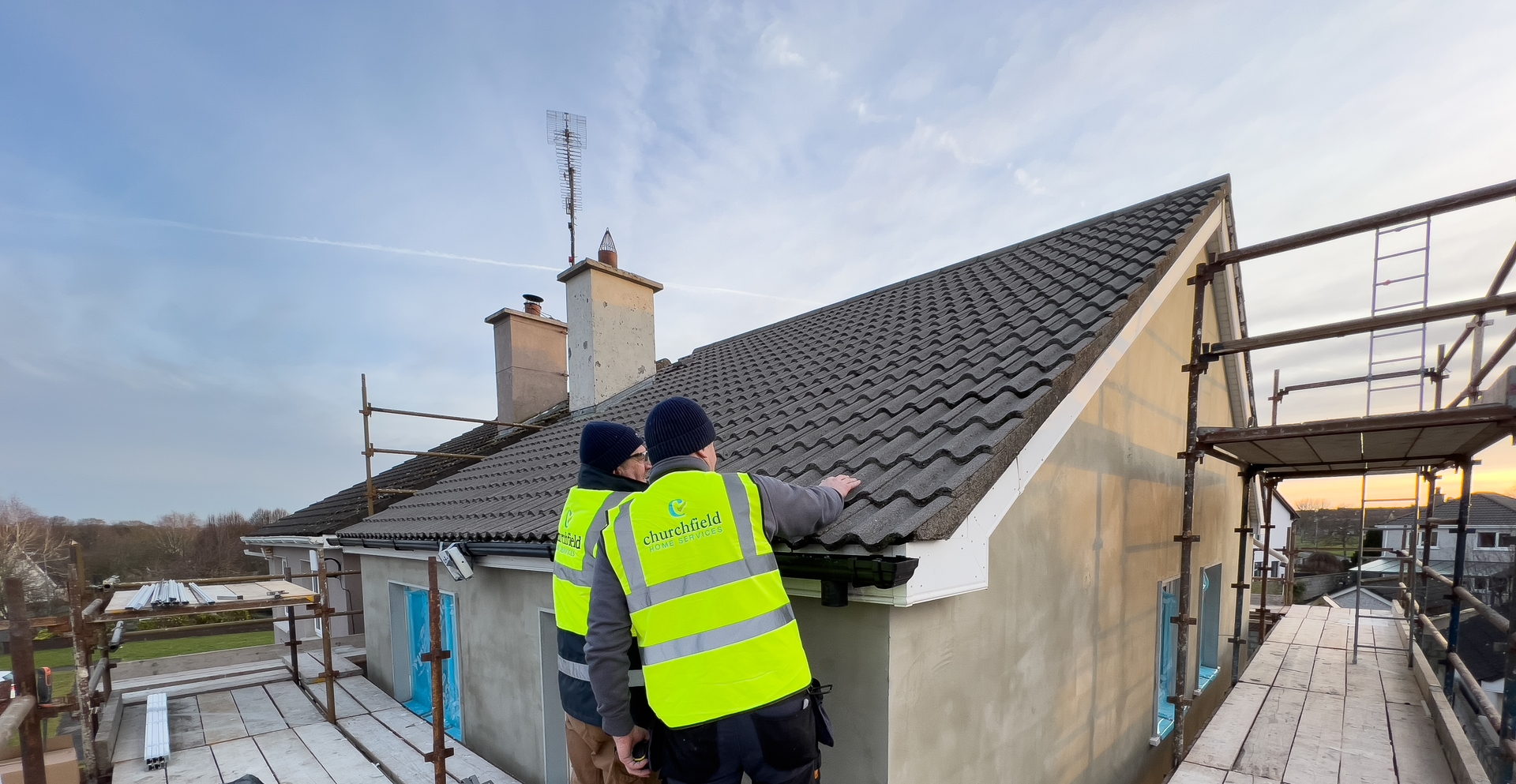
Is My Roof Suitable for Solar Panels?
Not sure if your roof can support Solar PV? This guide explains what makes a roof suitable for solar panels in Ireland — including orientation, shading, structure and electrical setup — and what happens during a professional suitability check with Churchfield Home Services.
08 Apr : Updated
Solar Panels for Irish Farms: Costs, Grants and What to Expect
Solar panels are becoming a practical option for Irish farms facing rising electricity costs. From milking parlours to cooling tanks and yard equipment, farms use large amounts of daytime electricity — making solar a strong fit. This guide explains typical costs, TAMS supports and what farmers can realistically expect from installing Solar PV.
08 Apr : Updated
TAMS 3 Solar Grants for Farmers Explained
The TAMS 3 Solar Grant helps Irish farmers reduce the upfront cost of installing Solar PV on agricultural buildings. If you’re considering solar in 2026, it’s important to understand who qualifies, how much funding is available and what the application process involves before any work begins.
08 Apr : Updated

Start saving on your energy bills today!
Sign up to our weekly newsletter
- Learn how to access grants and funding
- Tips and offers to reduce your energy bill


