






Take Your First Step
Tell us what you need help with and our team will contact you about the next step.
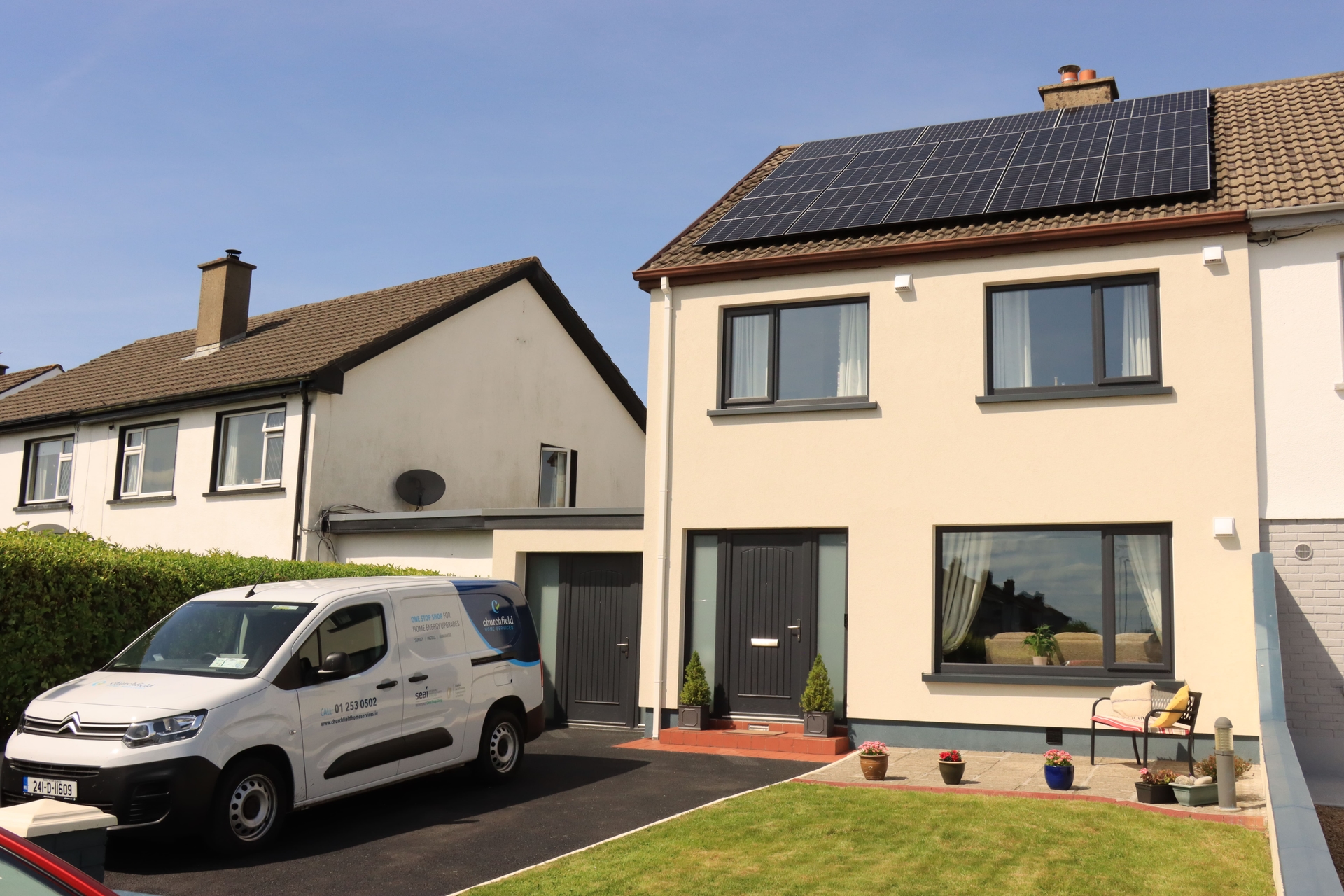
How a 2001 Semi-Detached Home in Sligo Went from D Rated to A1 and Saved €2,450 a Year
Published on 16 April 2026 : Updated • 5 minute read
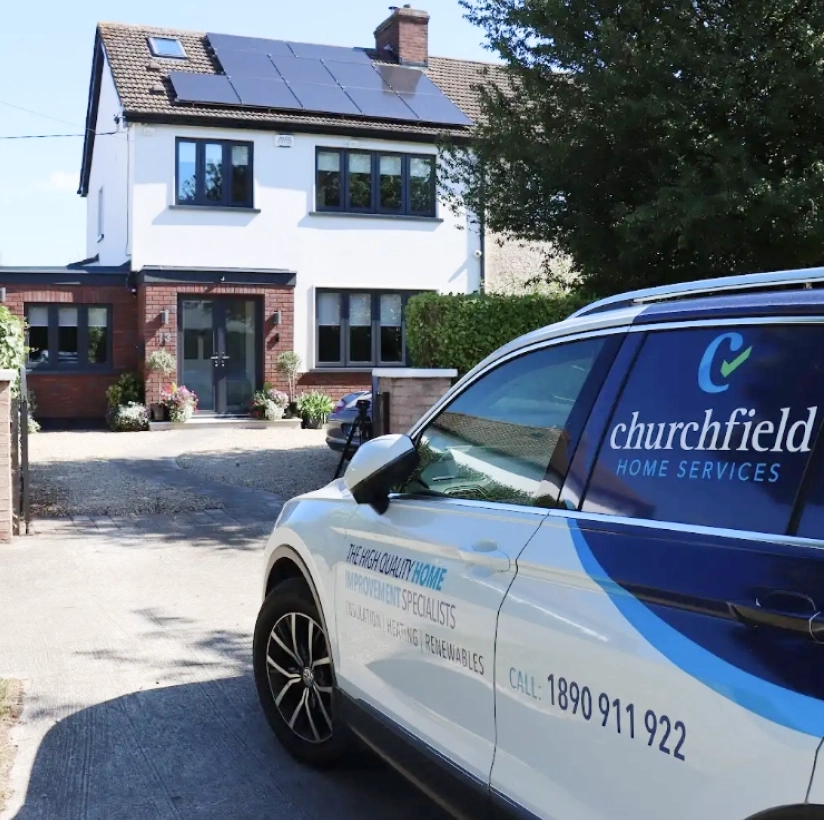
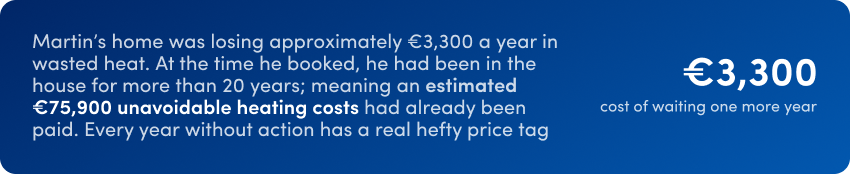
When Martin H. first contacted Churchfield Home Services, he’d been living in a D rated semi-detached home in Sligo for more than 20 years. The heating ran constantly but rooms stayed cold all winter, the energy bills were around €3,300 a year and they'd noticed damp patches on a north-facing wall. Sounds familiar?
This is the full story of what happened after their Home Energy Assessment. From a D-rated home to A1, with €24,800 in SEAI grants covering the bulk of the cost.
Does This Sound Like Your Home?
Before CHS booked Martin's HEA, he described these exact problems.See how many sound familiar:
❌ One or two bedrooms always colder than the rest of the house
❌ Heating running every morning but the house takes over an hour to warm up
❌ Energy bills rising every year even when usage stays the same
❌Draughts near the front door, windows or skirting boards
❌ Damp patches or condensation on north-facing or external walls
❌Attic was insulated years ago but the house still feels cold
If you ticked three or more of these, your home almost certainly has a heat loss problem and it's very likely eligible for SEAI grant funding to fix it.
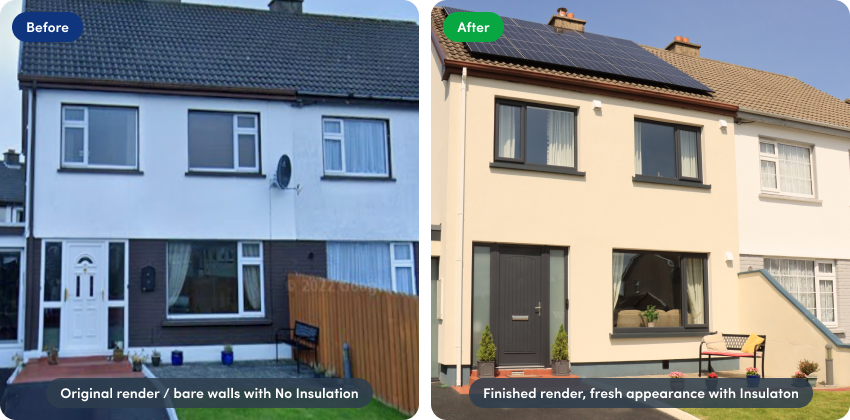
Before & After: The Transformation
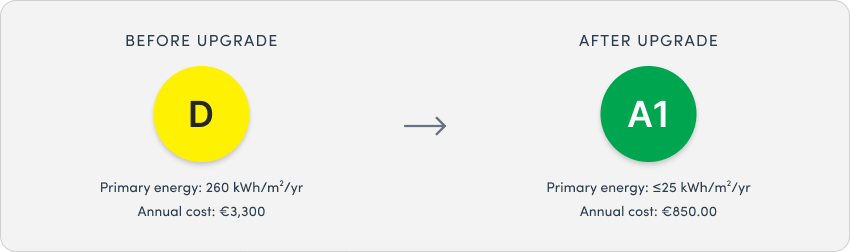
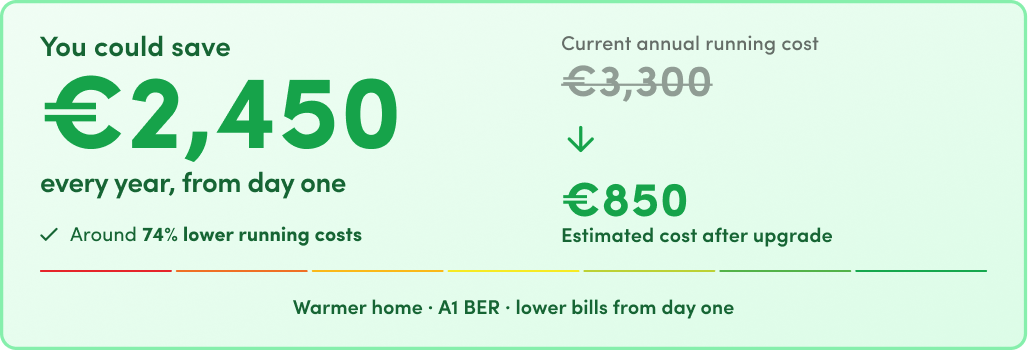
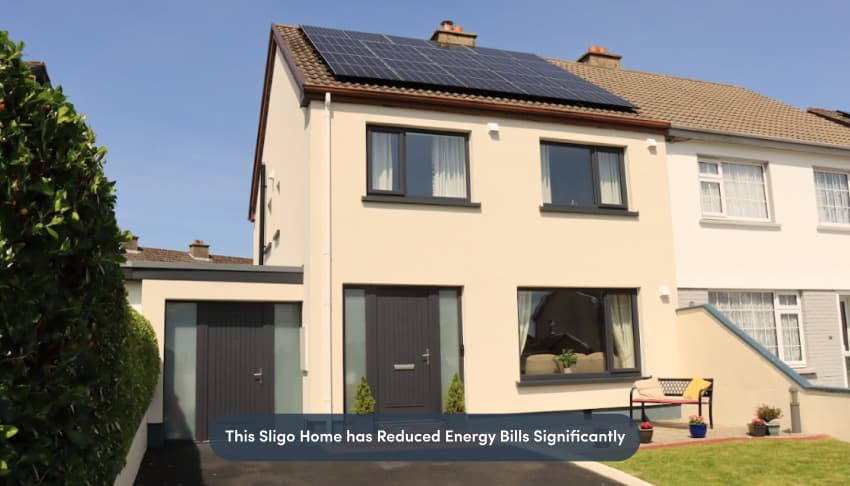
Watch this video below to get an idea about the transformation this house went through:
What Was Installed and What It Cost
After the Home Energy Assessment, Martin's Retrofit Advisor recommended a full deep retrofit. Here's exactly what was installed:
🧱 External Wall Insulation (EWI)
Grant availed €6,000
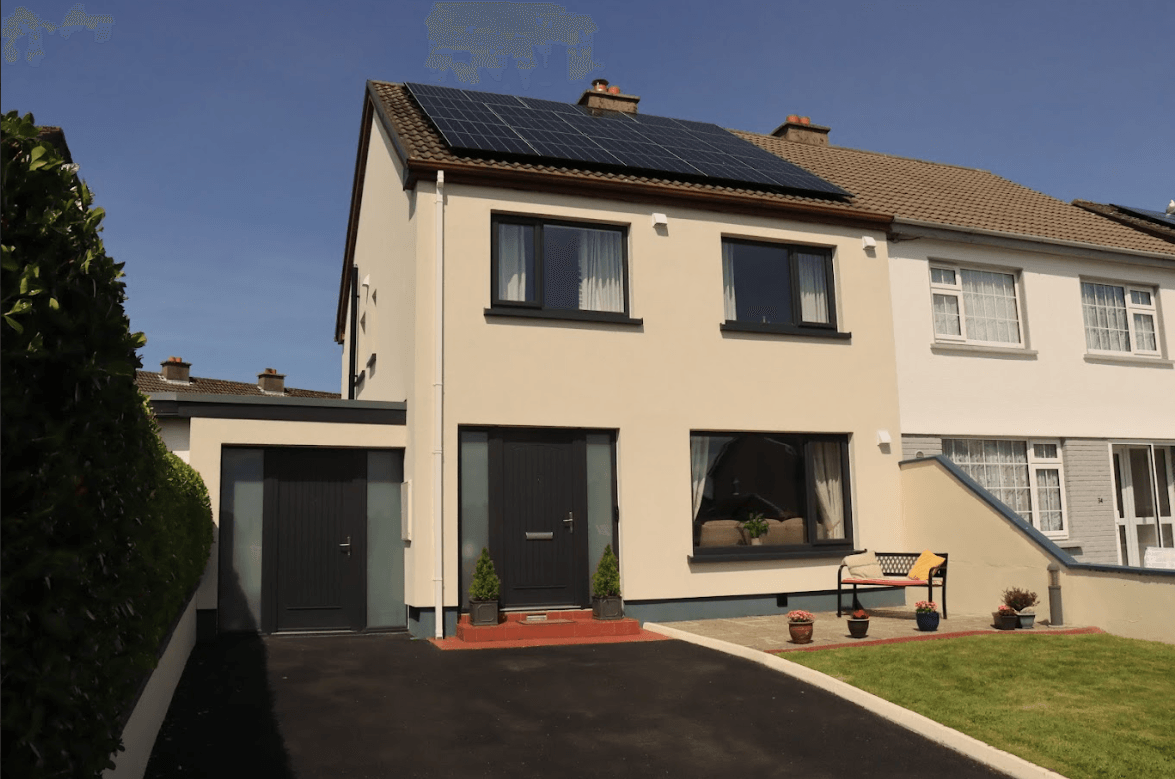
100mm EPS 70 with 1.5mm Granosil KR silicon rendered in premium white (WH89) finish. 20mm EPS 200 boards were applied to the garage front with render match. Boxes are fitted to all windows and doors.
Benefits:
✔ Reduces wall heat loss by up to 70%.
✔ Transforms the external appearance of the home with a fresh premium finish
✔ Eliminates cold bridging at window and door reveals
🏠 Cavity Wall Insulation
KORE-Fill Original EPS bead insulation pumped into the existing 50mm brick cavity to fully fill the cavity across the entire brick section of the property.
Benefits:
✔ Stops heat escaping through the existing unfilled cavity
✔ Works in combination with EWI for maximum wall performance
🏠 Cold Flat Roof Insulation
100mm Earthwool mineral insulation mat (λ 0.044 W/m²K) was fitted between existing flat roof ceiling joists, combined with 62.5mm Unilin Thin-R PIR insulated plasterboard. Applied across 18.09m² of flat/lean-to roof area.
Benefits:
✔ Eliminates heat loss through the flat/lean-to roof section
✔ Improves thermal performance of the garage ceiling area
🏠 Internal Insulation in Garage Bathroom
For Internal Insulation, thin-R PIR insulated plasterboard with Gyproc skim coats were mechanically fixed to external walls around the garage bathroom and along the right wall of the garage all the way through to the back door.
Benefits:
✔ Insulates cold garage-adjacent walls from the inside
✔ Brings previously uninsulated sections up to required thermal standard
🏠 Natural Ventilation Upgrade
New background vents were installed with a 100mm PVC inside to outside sleeved white 241 x 165mm internal hit-and-miss vent cover. Tile vents were added to the attic to compensate for existing vents blocked by new EWI.
Benefits:
✔ Maintains healthy air quality in a newly airtight home
✔ Prevents condensation and damp after insulation works
✔ Meets Building Regulations Part F requirements
🔥 Air-to-Water Heat Pump
Grant availed €10,500
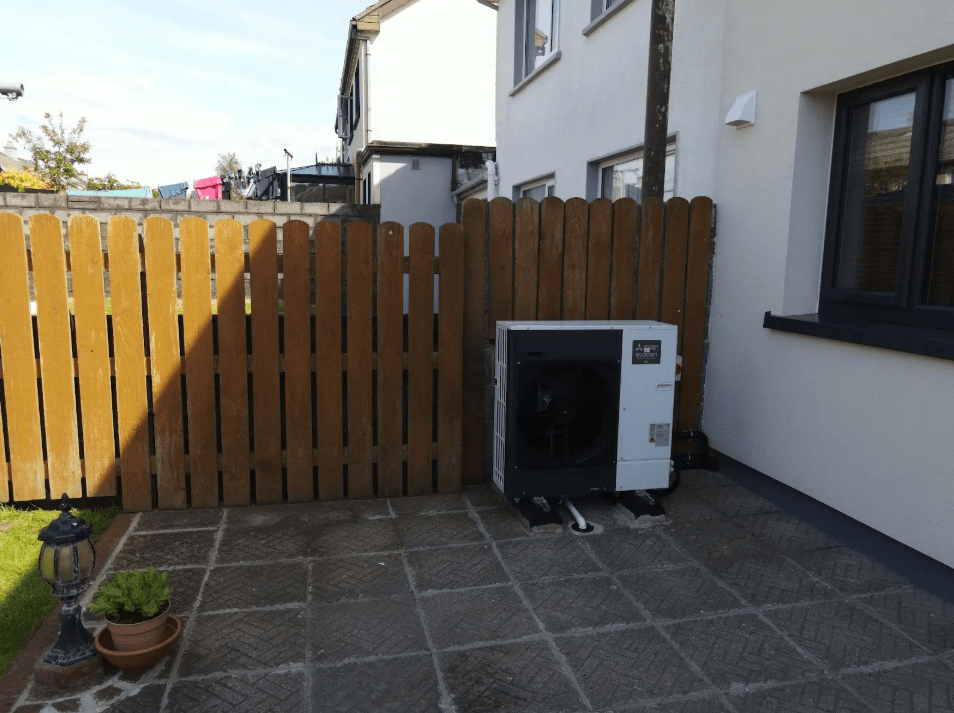
Mitsubishi Ecodan 5kW monobloc air source heat pump was installed on the rear footpath with insulated and un-insulated pipework run vertically up the wall and ducted through the rear bedroom floor to a new hot water cylinder. It included Flow Temperature Controller, temperature sensors, plate heat exchanger, scale trap, antifreeze inhibitor, and full MELCloud remote access setup.
Benefits:
✔ Replaces fossil fuel heating with a system 3x more efficient
✔ Provides both space heating and domestic hot water from one unit
✔ Fully compatible with the upgraded insulation envelope for A1 rating
☀️ Solar PV
Grant availed €2,100
For Solar PV, Jinko Tiger Neo N-Type 475w black frame panels were installed on the front roof in portrait layout.
Benefits:
✔ Generates free electricity to power the heat pump and household loads
✔ Battery-ready inverter add storage in the future without replacing the inverter
✔ Excess electricity exported to the grid for microgeneration payments
🪟 Windows & External Doors
Grant availed €4,600
Homeowner supplies and installs triple-glazed windows (U-value ≤0.72) and up to 2 external doors (U-value ≤1.4). CHS signs off on the SEAI grant for windows and doors on the homeowner's behalf as part of the One Stop Shop service. U-value datasheets and window/door certs must be on site at the interim BER stage.
Benefits:
✔ Triple glazing dramatically reduces heat loss through windows
✔ Grant processed by CHS no direct dealings with SEAI required
SEAI Grants Availed
✔ External wall insulation (EWI) - €6,000
✔ Heating system - €10,500
✔ Solar PV - €2,100
✔ Windows & doors - €4,600
✔ Project management - €1,600
👉 Total Amount of Grants Martin Get - €24,800
Net cost of upgrades will be paid back in 14 years and enjoying A Rated Warmer home, lower bills from day one.
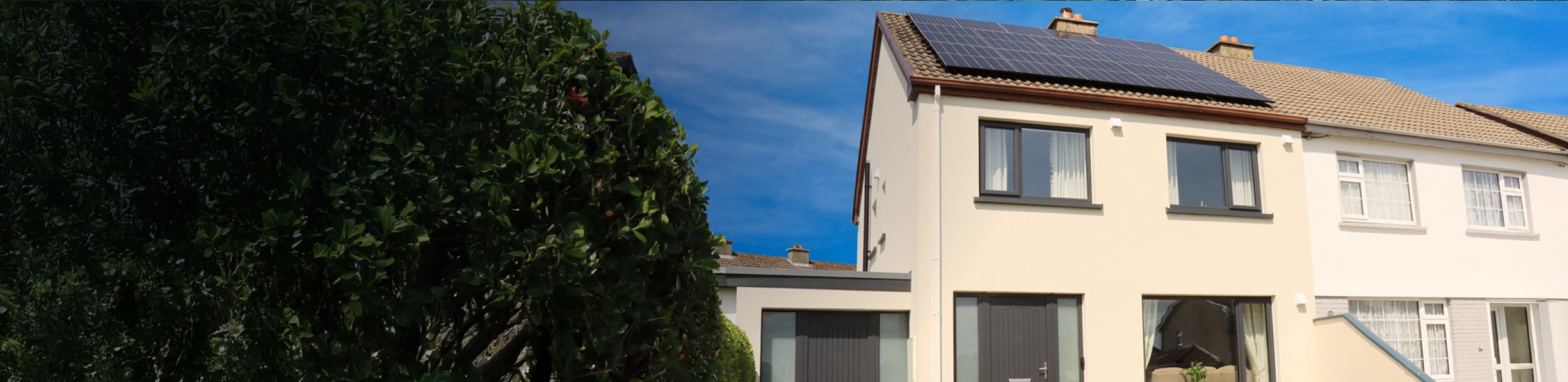
What the Homeowner enjoying now


Your Questions, Answered Honestly
These are the three things every homeowner asks us before they commit. Here's the truth.
🏠Will the work disrupt my home and family?
Martin's project was completed while the family stayed in the home throughout. Nearly all external insulation work is done from outside. Your project manager gives you daily updates so there are never any surprises. Most customers tell us it was far less disruptive than they expected.
💰Can I actually afford this?
Yes. A homeowner can get a maximum of €39,250 in SEAI Grants. This should cover most of your retrofit upgrades including heat pump, solar PV, and complete external insulation. And with the The Home Energy Upgrade Loan Scheme (HEULS), many homeowners pay nothing upfront, with repayments often lower than current energy bills.
🔍How do I know the quality will be right?
Churchfield Home Services is SEAI-registered contractor who is ISO-certified and has completed 6,000+ upgrades across Ireland. Every project has a dedicated Quality Control review before handover. You receive a full BER certificate, warranty documents and aftercare support when the job is done.
How SEAI Grants Actually Work?
SEAI grants are paid directly to Churchfield after the work is completed and verified, so you only pay the net cost. Churchfield handles every application and submission—you don’t deal with SEAI directly. Our dedicated grants team manages the paperwork from start to finish.
Most homeowners are genuinely surprised by how much is covered. For a full deep retrofit like Martin’s, SEAI grants typically cover 60-80% of the eligible costs. In this case, €24,800 of the project cost was covered. The current maximum OSS grant package is €36,900 and is available until grant levels are reviewed.
Frequently Asked Questions
What does a Home Energy Assessment involve?
A certified assessor visits your home and carries out a full inspection of your walls, roof, windows, floors, heating system and ventilation. They produce a detailed report showing your current BER rating, where heat is being lost, and a recommended upgrade plan with estimated grant values. The assessment costs around €99 and takes approximately 2–3 hours.
How much do SEAI grants cover for a full retrofit?
SEAI's One Stop Shop grant package covers up to €36,900 for a full deep retrofit. The exact amount depends on the measures installed and your home's starting BER. In Martin's case, €24,800 in grants were applied directly by CHS. CHS will calculate your exact grant entitlement as part of your HEA report.
Can I afford a retrofit if I don't have savings available?
Yes. The Home Energy Upgrade Loan Scheme (HEULS) allows eligible homeowners to finance the net cost of their upgrade at competitive rates. For many homeowners, monthly repayments are lower than the energy savings the upgrade generates meaning the retrofit effectively pays for itself.
Is now the right time or should I wait to see if grants improve?
Current SEAI grant levels are at their highest point. There is no confirmed schedule for increases but every year you wait, you continue paying for heat that escapes your home. Most CHS customers say the same thing after their upgrade: they wish they'd done it sooner.
What Happens After You Book
After you decide to book a Home Energy Assessment, Here's a process depicting exactly what your journey looks like from booking to a warmer home.
The Takeaway
This retrofit Case study shows what is possible when a home is assessed properly, the right measures are chosen, and grants reduce the financial barrier.
If your home shares similar characteristics, a Home Energy Assessment will show what applies to you specifically.
Just Book a Home Energy Assessment with Churchfield Home Services today.
This will help you find out what upgrades you really need.
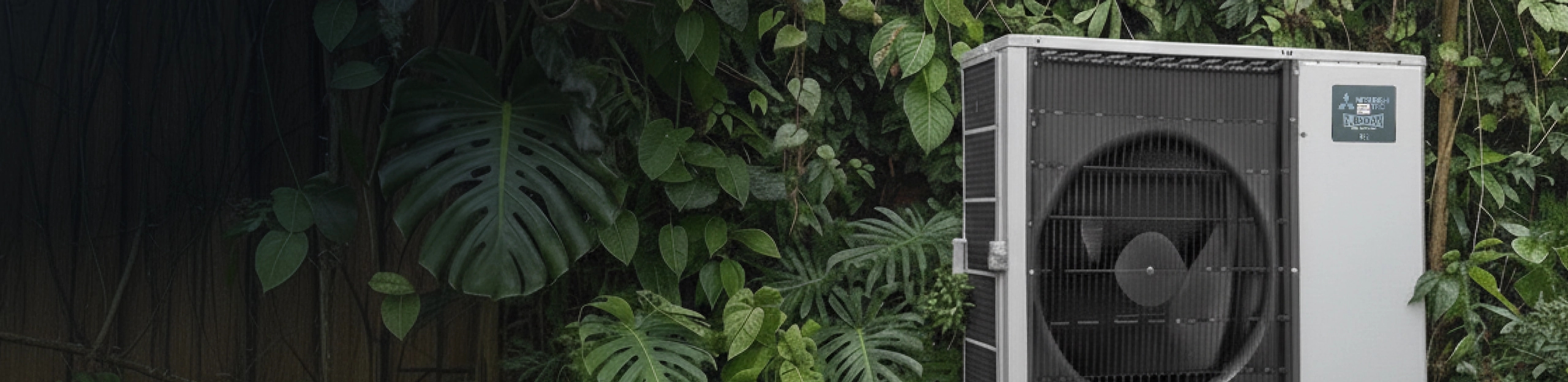
Enjoy Year-Round Comfort with a Heat Pump
Is my home is Heatpump ready?Tags
- One Stop Shop
- External Wall Insulation
- Heat Pumps
- Churchfield Home Services
- Churchfield Home Services Projects
- Deep Retrofit Services
- Deep Retrofit Project
- Retrofit One Stop Shop
- Home Energy Assessment
- Building Energy Survey
- Trailored Upgrade Plan
- Insulation Services
- Attic Insulation
- Floor Insulation
- Demand Control Ventilation Design
- Heat Pump
- Energy Saver
- IEU Grants
- SEAI Grants
- Case Study
Author

Published on 16 April 2026: Updated • 5 minute read
Share with

Our Latest Blogs
How SEAI Grant Eligibility Works After Your Home Energy Assessment
Once your Home Energy Assessment is complete, it is natural to start thinking about what support may be available if you decide to improve your home’s energy efficiency. You may want clarity before making any decisions. You may want to understand how SEAI grants work, what you could be eligible for, and whether upgrading is the right step for your home. A Home Energy Assessment is designed to give you clarity first without pressure or obligation.
08 Apr : Updated

How Much Does a Home Energy Upgrade Cost in Ireland?
The cost of a home energy upgrade in Ireland varies widely — from a few thousand euros for a targeted insulation job to €40,000 or more for a full deep retrofit. SEAI grants can take a significant chunk off the upfront cost, and finance options can spread what remains. But the honest answer is that no general figure will tell you much until someone has looked at your actual home.
08 Apr : Updated

How much does a Home Energy Assessment cost in your area?
Most people asking about the cost of a Home Energy Assessment want reassurance, not just a price. This guide explains what affects the cost, what does not and how to decide if a Home Energy Assessment is the right first step for your home.
08 Apr : Updated

Start saving on your energy bills today!
Sign up to our weekly newsletter
- Learn how to access grants and funding
- Tips and offers to reduce your energy bill


