






Take Your First Step
Tell us what you need help with and our team will contact you about the next step.

From Insulation to Heat Pumps: Upgrades Your Home Energy Assessment Might Recommend
Published on 08 April 2026 : Updated • 5 minute read
How a Home Energy Assessment shapes upgrade recommendations
A Home Energy Assessment is a detailed, in-home assessment carried out by a qualified professional. It is designed to explain how your home uses energy today and where improvements can have the greatest impact.
During the assessment, your home is reviewed as a complete system. This includes the construction type, insulation levels, heating and hot water systems, ventilation, and overall heat loss. Time is also taken to understand how you experience your home — such as rooms that are difficult to heat, draughts, dampness, or rising energy bills.
Because Churchfield Home Services operates as a Registered SEAI One Stop Shop, recommendations are made in the correct order. The focus is on reducing heat loss first, before considering heating or renewable technologies. This whole-home approach helps avoid common issues such as installing new systems before the home is properly prepared to support them.
The result is a clear, prioritised roadmap that explains what upgrades may suit your home and why.
Insulation upgrades your assessment may recommend
Insulation is often one of the first areas addressed in a Home Energy Assessment. Heat lost through poorly insulated roofs, walls, or floors can significantly affect comfort and energy use.
Depending on your home, recommendations may include attic insulation, wall insulation such as cavity, internal, or external wall insulation, or floor insulation. Improving insulation helps your home retain heat more effectively, making living spaces more comfortable and reducing demand on heating systems.
Addressing insulation early also helps ensure that any future heating upgrades are correctly sized and perform as expected.
When a heat pump may be recommended
Heat pumps can be an effective solution for some homes, but they are not suitable for every property in their current condition. A Home Energy Assessment helps determine whether a heat pump is appropriate for your home and what preparation may be required first.
Heat pumps perform best in homes with low heat loss and good insulation. The assessment ensures that insulation and heat retention are addressed before recommending this type of system. If a heat pump is suitable, the report explains how it would integrate with your home and what supporting upgrades may be needed.
This helps avoid installing systems that are not matched to the property.
Ventilation and indoor air quality
Ventilation is an important part of a comfortable and healthy home. A Home Energy Assessment reviews airflow and moisture management to ensure that upgrades do not compromise indoor air quality.
Recommendations may include mechanical ventilation solutions that help manage condensation, improve air quality, and support homes that are becoming more airtight through insulation upgrades.



Solar PV and renewable technologies
Renewable technologies such as Solar PV may also be recommended, depending on your home and energy use. The assessment helps identify whether Solar PV is suitable and how it fits into a wider upgrade plan.
Rather than being added in isolation, Solar PV is considered alongside insulation, heating, and usage patterns to ensure it delivers meaningful benefit.
How Churchfield Home Services supports you
As a Registered SEAI One Stop Shop, Churchfield Home Services carries out Home Energy Assessments and supports homeowners from the initial assessment stage through to planning and, if chosen, completing upgrades.
Each recommendation is based on how your home performs today. There is no obligation to proceed with upgrades. The purpose of the assessment is to give you clarity, reduce uncertainty, and help you understand what makes sense for your home before making any decisions.
What happens next?
If you want to understand which upgrades are right for your home and why they are recommended, the next step is to book a Home Energy Assessment with Churchfield Home Services.
You receive a clear, tailored report and upgrade roadmap that you can use now or return to later, at your own pace.
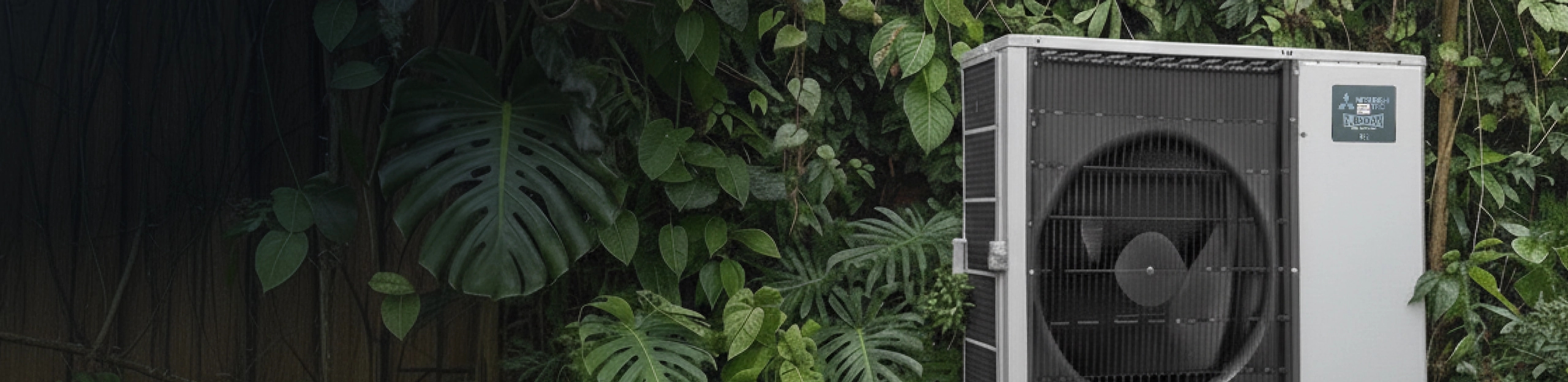
Enjoy Year-Round Comfort with a Heat Pump
Is my home is Heatpump ready?Tags
- Deep Retrofit Services
- Deep Retrofit Project
- Retrofit One Stop Shop
- Home Energy Assessment
- Home Energy Assessment Calculator
Author

Published on 08 April 2026: Updated • 5 minute read
Share with

Our Latest Blogs

Will a Home Energy Assessment Make My Home Warmer?
Many Irish homeowners feel frustrated when the heating is on but the house still feels cold. Certain rooms may never warm up and energy bills can rise without any real improvement in comfort. A Home Energy Assessment helps explain why this happens by looking at how your home actually performs.
08 Apr : Updated
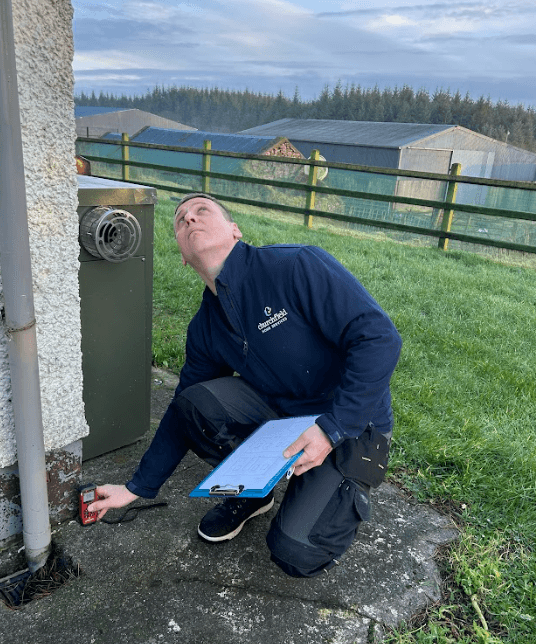
A Home Energy Assessment Explained for Irish Homeowners
A Home Energy Assessment helps Irish homeowners understand how their home is performing today. It explains where heat is being lost, why comfort issues exist and what improvements may be worth considering before any decisions are made.
08 Apr : Updated

Top 5 Energy-Saving Upgrades After a Home Energy Assessment
A Home Energy Assessment gives you a clear understanding of how your home performs today and where energy is being lost. Rather than guessing which upgrades might help, the assessment highlights what will make the biggest difference for your home and in what order. At Churchfield Home Services, homeowners often ask what comes next after an assessment. While every home is different, these are the five energy-saving upgrades most commonly identified once a full picture of the home is understood.
08 Apr : Updated
Financing Your Home Energy Upgrade in Ireland: SEAI Grants and Green Loans Explained
Understanding how to pay for a home energy upgrade can feel confusing. This guide explains how SEAI grants and green loans work in Ireland, what they can be used for, and how homeowners typically combine them clearly and without pressure.
02 Feb : Updated

When Should You Get a Home Energy Assessment? Key Times to Consider
A Home Energy Assessment can be done at any time, but there are certain moments when it becomes especially valuable. If you’re unsure whether now is the right time, this guide outlines the key situations where a Home Energy Assessment can give you clarity, confidence and direction — before you make any decisions.
08 Apr : Updated

Start saving on your energy bills today!
Sign up to our weekly newsletter
- Learn how to access grants and funding
- Tips and offers to reduce your energy bill


